For the true dessert enthusiast, the allure of lemon is evergreen. Whether it is the height of mid-summer or the depths of the autumnal harvest, a sharp, citrus-forward treat serves as the perfect palate cleanser. While culinary purists often advocate for the meticulous process of crafting a lemon curd from scratch—tempering egg yolks and precisely zesting bushels of fruit—the reality of modern, fast-paced life often demands a more efficient solution.
When time is a luxury you cannot afford, store-bought lemon pie fillings and mixes become the unsung heroes of the baking cabinet. However, the quality of these products varies wildly. To find the definitive staple for your pantry, we conducted a rigorous, side-by-side taste test of seven readily available lemon pie fillings. Our criteria were uncompromising: we evaluated each product based on the vibrancy of its lemon profile, the balance of sweetness versus acidity, and the overall mouthfeel.
The Methodology: How We Evaluated the Market
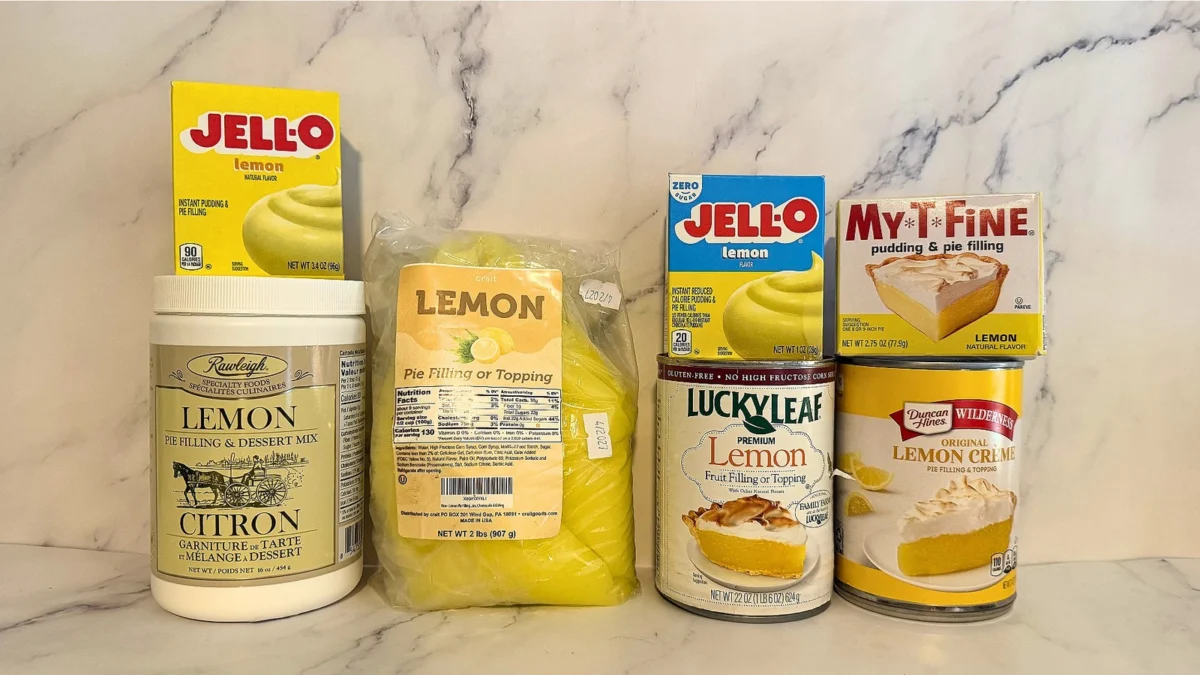
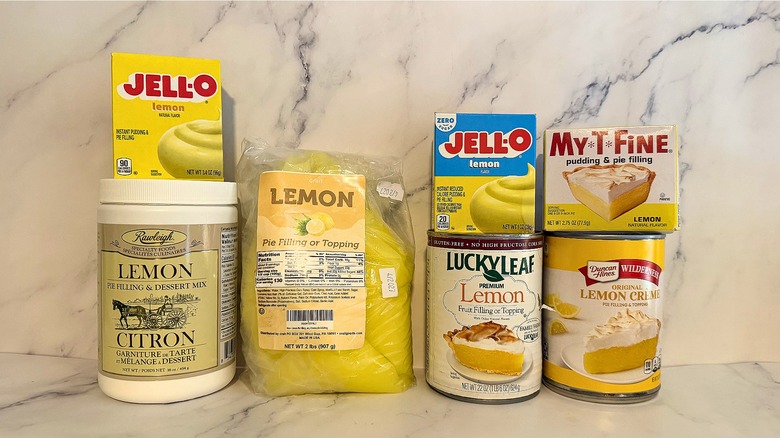
The landscape for store-bought lemon pie fillings is surprisingly sparse, leading us to source seven distinct products, ranging from pre-made canned fillings to powdered stovetop mixes. To ensure a fair comparison, every product was prepared according to the specific instructions provided on its packaging.
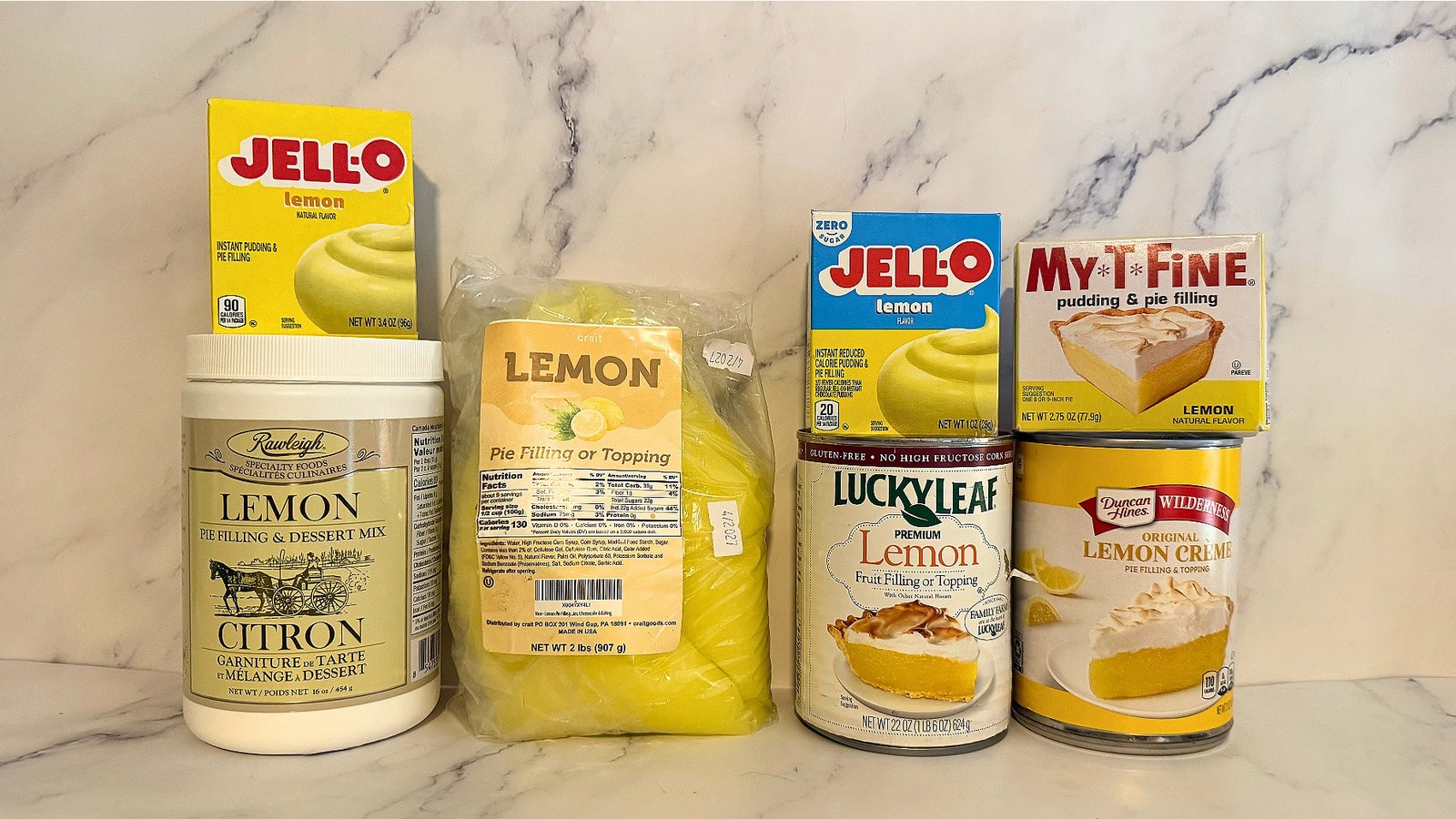
This process revealed significant disparities in convenience and complexity. Some products were "ready-to-eat," offering an instant solution, while others required a more artisanal approach—incorporating fresh egg yolks, sugar, and consistent stovetop heat to achieve the proper set. One product arrived with no instructions at all, forcing an evaluation based on its raw state. Our ranking reflects a search for that elusive "homemade" quality: a filling that is bright, unapologetically tangy, and structurally sound.
The Rankings: From Bottom to Top
7. Crait (The Final Frontier of Failure)
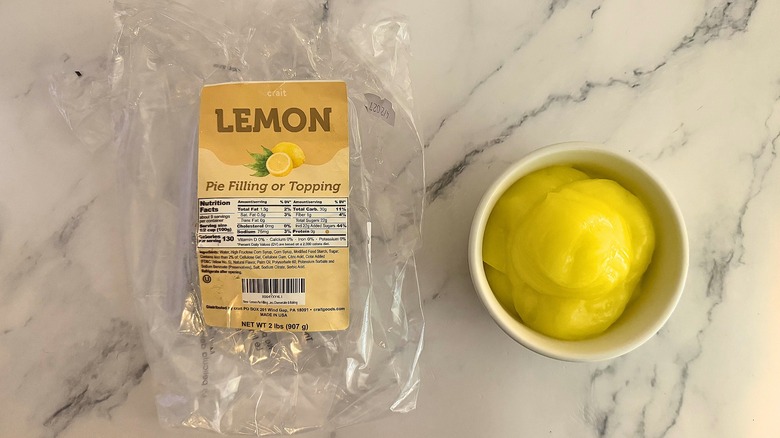
Coming in at the bottom of our list is Crait. Often sourced through online marketplaces, this product proved to be a disappointment on multiple fronts. The lack of instructions was our first red flag; without guidance on whether to heat or serve as-is, we sampled it directly from the packaging.
The experience was jarring. The texture was unpleasantly gelatinous, bordering on slimy, which immediately compromised the eating experience. Flavor-wise, it failed to deliver the "zing" expected from a lemon dessert, offering only a muted, medicinal astringency. For the home baker, this is a product to avoid.
6. Jell-O (The Pudding Dilemma)
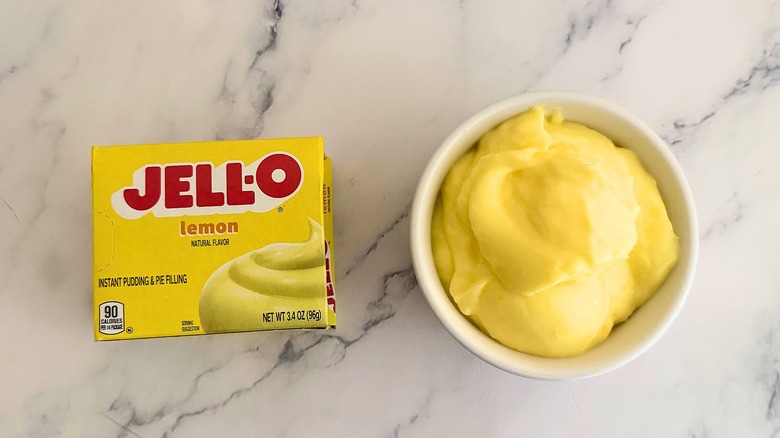
Jell-O is a household name, but there is a crucial distinction to be made regarding its product line. The packaging clearly labels this as a "pudding and pie filling." Our testing confirmed that this is, in essence, a pudding. If your goal is a classic, firm lemon curd pie, this is not the product for you.
While the texture was consistent with a standard pudding, it lacked the necessary acidity to qualify as a true lemon pie filling. The lemon flavor was faint and lacked the requisite tang to cut through a crust. While it serves admirably as a way to moisten a boxed cake mix, it falls short as a centerpiece for a dessert pie.
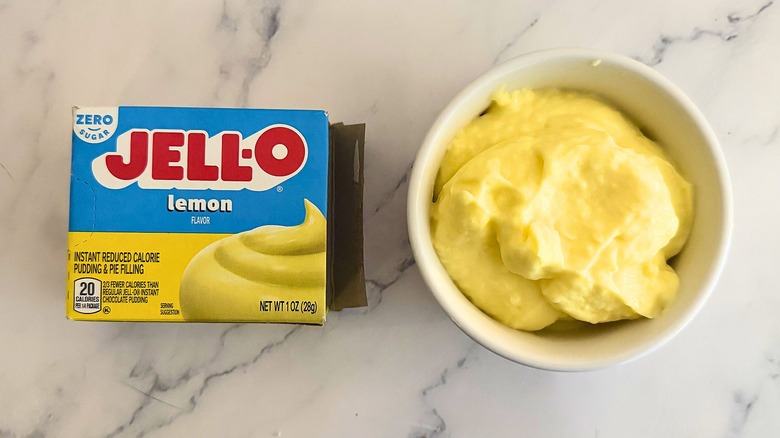
5. Jell-O Zero Sugar (A Surprising Redemption)
In a twist that caught our panel off-guard, the Jell-O Zero Sugar variant significantly outperformed its full-sugar counterpart. Despite the shift in formulation, the flavor profile was markedly brighter and more persistent on the palate.
While the texture remained firmly in the "pudding" category—which we find less than ideal for a traditional lemon pie—the flavor profile was undeniably superior. It serves as a reminder that sometimes, sugar-free alternatives can offer a cleaner, more focused flavor, even if the structural integrity of the filling doesn’t quite mimic the classic lemon curd we crave.
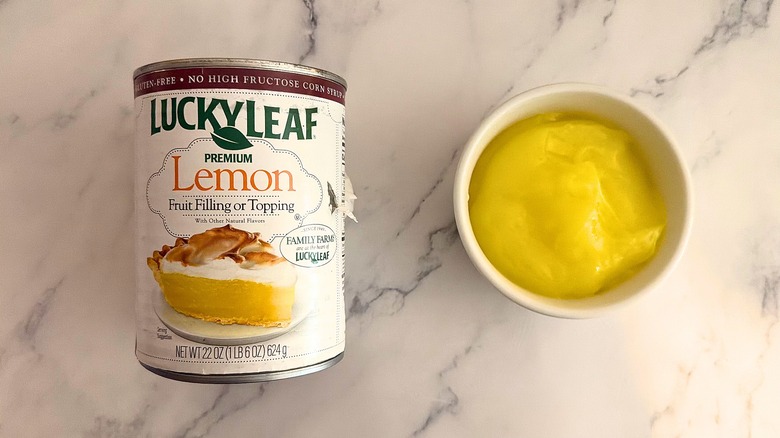
4. Lucky Leaf (The Middle Ground)
Lucky Leaf offers a canned filling that is ready for immediate use, skipping the stovetop labor of the powdered mixes. It performed well, landing in the middle of our rankings. It avoids the "slimy" texture of lower-ranked competitors, opting instead for a consistent, cream-like mouthfeel.
The flavor is a step up, leaning into a more authentic citrus profile. However, it still carries a slight astringent aftertaste that prevents it from reaching the top tier. It is a serviceable option for the time-pressed baker, but it lacks the depth of flavor found in the top three contenders.
3. Duncan Hines (The Reliable Standard)
Duncan Hines secures the third-place spot by delivering exactly what a consumer expects from a major brand. It is accessible, consistent, and delivers a respectable, zesty lemon flavor.
The texture is highly viscous and slightly sticky, which makes for a very stable pie that cuts beautifully. While it does not offer the nuanced, delicate profile of our top two choices, it is a workhorse of a filling that balances well with a thick, buttery crust and a mountain of meringue. It is a safe, high-quality buy.
2. Rawleigh (The Stovetop Reward)
Rawleigh represents the transition from "convenience food" to "baking project." This powdered mix requires the addition of sugar, water, and egg yolks, followed by a careful reduction on the stove. The labor is undeniably more intensive, but the reward is a silky, luxurious filling.
The texture is the standout here—viscous and rich. While we found it could potentially become too thick if overcooked, the flavor is impressively bright and tangy. It hits all the notes of a professional-grade lemon curd. It is a fantastic option for those who want a homemade result without having to juice dozens of lemons.
1. My-T-Fine (The Undisputed Champion)
Topping our list is a brand that may be unfamiliar to many: My-T-Fine. Much like the Rawleigh mix, this requires a bit of stovetop effort, but the payoff is unparalleled in the world of store-bought mixes.
The My-T-Fine filling achieves the "holy grail" of lemon desserts: a perfect, silky mouthfeel combined with a vibrant, sharp lemon tang that never descends into sourness. It lacks the synthetic, medicinal aftertaste found in lower-tier products, tasting remarkably close to a from-scratch recipe. For the home baker who wants to impress guests without the frustration of fresh-squeezing lemons, this is the gold standard.
Implications for the Home Baker
Our investigation into the market of lemon pie fillings reveals a clear dichotomy: the "ready-to-eat" canned products offer convenience at the expense of texture and depth, while the "stovetop-required" powdered mixes provide a significantly higher culinary ceiling.
For the casual baker, the Duncan Hines option provides the most reliable balance of convenience and quality. However, for those willing to invest 15 minutes of whisking and heat, the My-T-Fine mix offers a quality that is virtually indistinguishable from professional-grade lemon curd.
Supporting Data Summary
- Ease of Preparation: Canned fillings (Lucky Leaf) represent the fastest preparation, while powder-based mixes (My-T-Fine, Rawleigh) require active stovetop monitoring.
- Texture Metrics: The most successful fillings avoided the "slimy" or "gelatinous" pitfalls of lower-tier products, favoring a "creamy" or "silky" consistency.
- Market Availability: The lemon pie filling market is surprisingly niche. Many of the top-performing products, particularly My-T-Fine, are more easily sourced through digital retailers than through local big-box grocery chains.
Conclusion
While there is no substitute for the absolute peak of a homemade lemon pie, the gap between convenience and quality is narrowing. By choosing the right base, home bakers can achieve a dessert that is bright, tangy, and structurally sound. Whether you opt for the convenience of a can or the superior quality of a stovetop mix, the key is to prioritize products that emphasize natural acidity and a smooth, non-gelatinous mouthfeel. For our money, next time you are planning a Sunday dessert, look for the My-T-Fine box—it is the secret ingredient your pantry has been missing.