Nineteen years ago, the island of Ko Lipe was a whisper in the ears of the intrepid. It was a place where electricity was a luxury provided only for a few hours at dusk, where bamboo bungalows cost the price of a cup of coffee, and where the "last boat" of the season felt like a final act of a play you never wanted to end. It was the quintessential backpacker dream: a raw, untouched sanctuary where days bled into weeks, punctuated only by the rhythm of the tides and the simplicity of island life.
Returning to the island today, however, is a jarring experience. What was once a sleepy, hidden paradise has transformed into a monument to the perils of unchecked development. As travelers, we are often tasked with being "good stewards" of the places we visit, but sometimes, the most responsible action is to acknowledge when a destination has reached its breaking point. Ko Lipe is that destination.
The Chronology of a Transformation
In 2006, the island’s ecosystem was defined by silence and local charm. The infrastructure was minimal, and the community was small. However, as Southeast Asian tourism surged over the last two decades, Ko Lipe found itself in the crosshairs of rapid, aggressive development.
The timeline of this shift follows a familiar pattern seen across the Thai archipelago. Initially, the influx of travelers brought economic opportunity, which encouraged local landowners to expand their offerings. Gradually, dirt paths were paved over to accommodate construction vehicles and the logistical demands of a growing hospitality industry. By the 2010s, the "bamboo bungalow" era had largely ended, replaced by high-end resorts, concrete structures, and the persistent hum of generators.
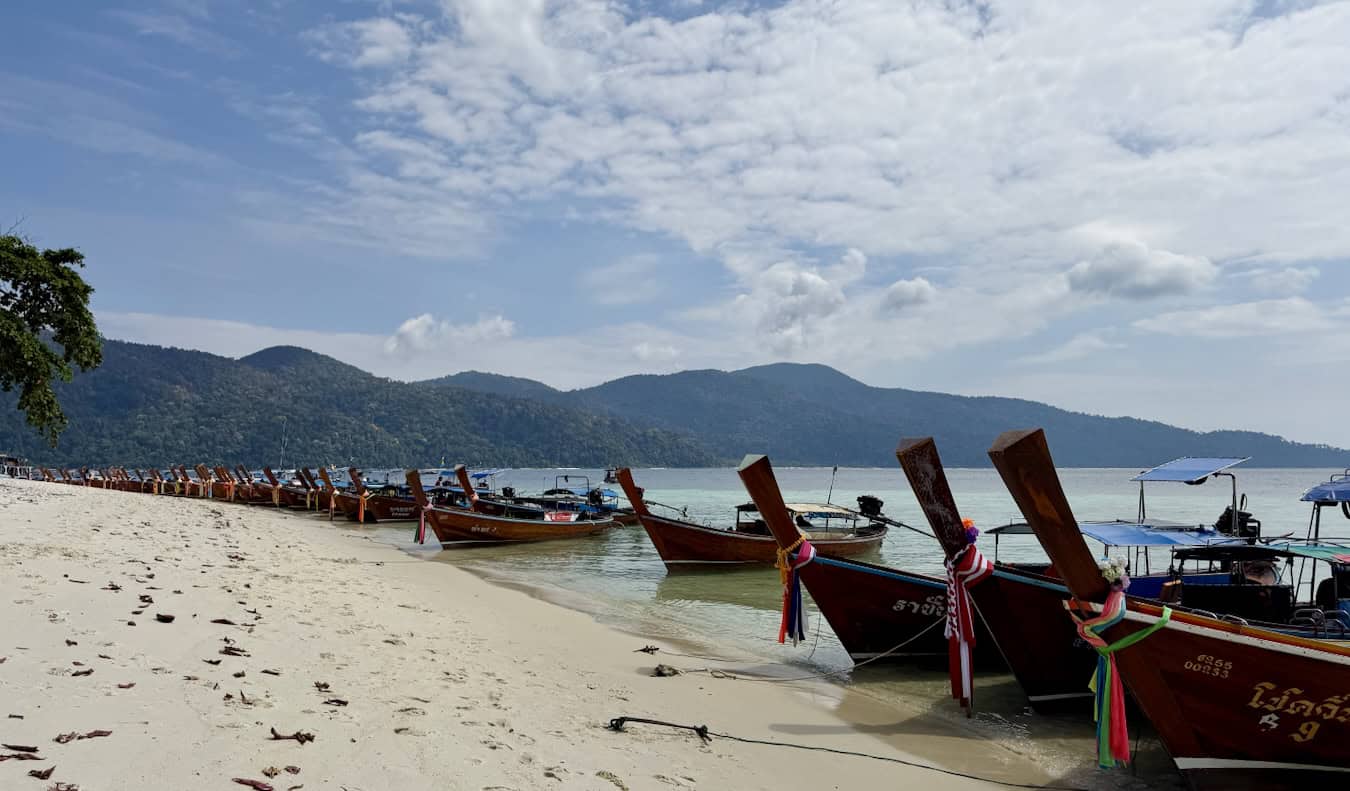
By 2026, the transition is complete. The island, once defined by its organic connection to the ocean, now faces the mechanical pressures of a mini-metropolis. The transition from a quiet fishing enclave to a commercialized hub has been rapid, leaving little room for sustainable adaptation.
The Anatomy of Overtourism: Data and Observations
The current state of Ko Lipe serves as a diagnostic case study for unsustainable tourism. The environmental impact is not merely aesthetic; it is structural and systemic.
Resource Depletion
The island’s most glaring issue is its lack of natural resources. Ko Lipe has no significant natural freshwater supply, yet it now supports a high-density population of tourists and resort staff. The reliance on imported water and high-energy desalination processes places an immense strain on the island’s fragile ecosystem.
Marine Degradation
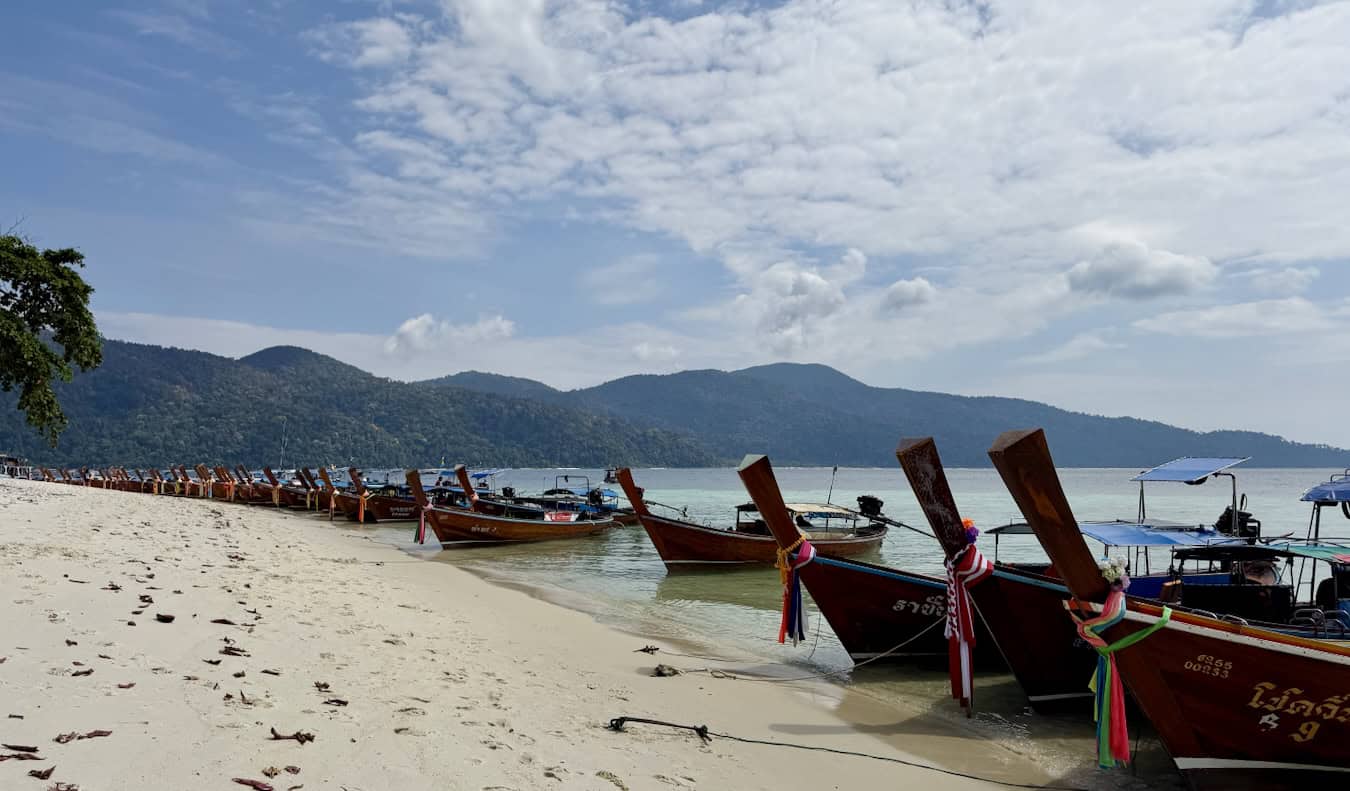
The coral reefs surrounding the island, once vibrant and teeming with life, are under siege. A confluence of factors—including excessive boat traffic, anchor damage, and chemical runoff—has led to significant coral bleaching and death. The "shiny film" of fuel exhaust visible on the water’s surface is a grim indicator of the environmental tax being paid for the convenience of modern tourism.
Socio-Economic Displacement
The human cost is equally severe. The development boom has largely bypassed the local community. As property values soared, many locals were forced to sell their land to mainland developers. Consequently, the island’s workforce is now largely comprised of migrants from the mainland who see only a fraction of the tourism revenue, while the benefits are funneled toward external corporate interests.
The Myth of the "First-Time" Experience
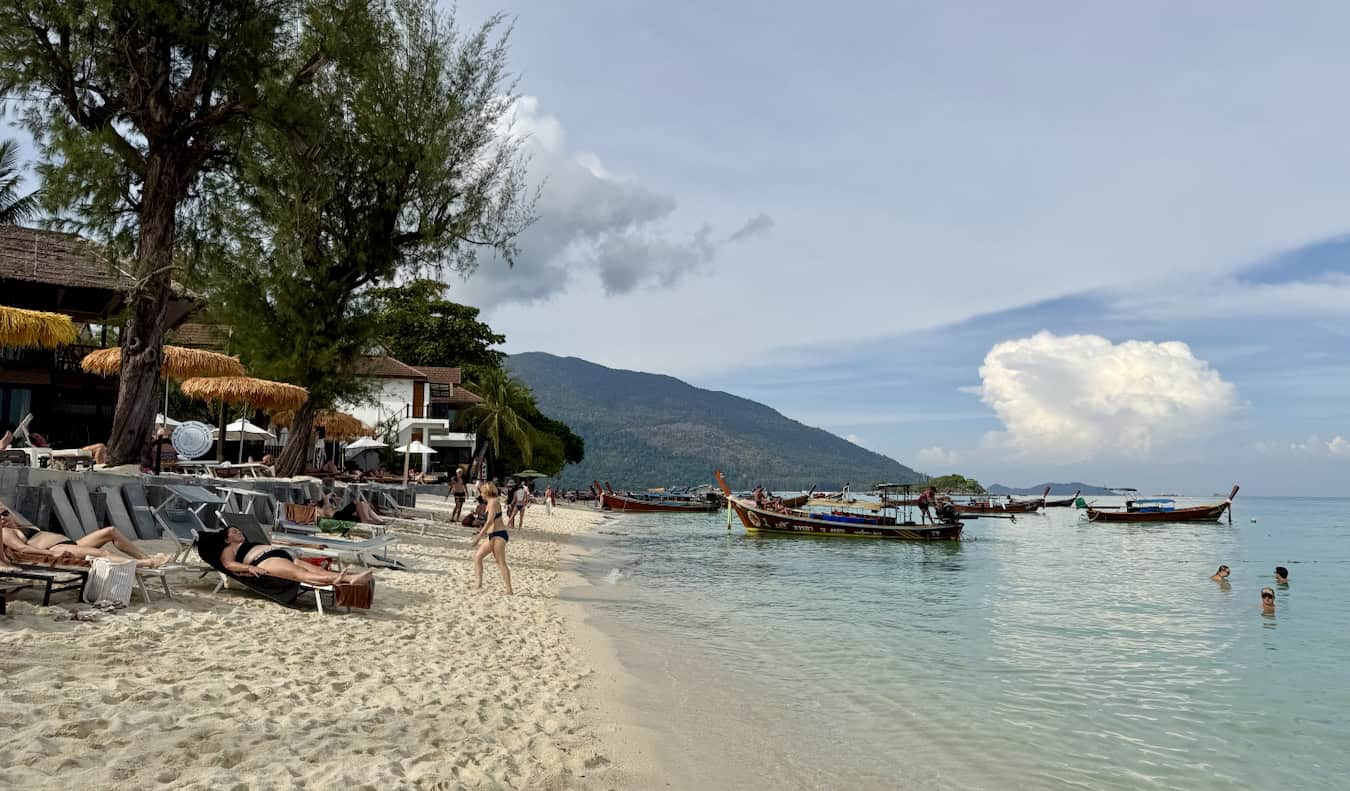
It is important to acknowledge why the island remains popular. To the first-time visitor, Ko Lipe remains undeniably picturesque. The water retains its postcard-perfect azure hue, the sand remains white, and the proximity to the surrounding national park offers access to truly pristine, uninhabited islets.
Compared to the massive, neon-lit sprawl of Phuket or the party-centric chaos of Ko Phi Phi, Ko Lipe can still feel "quiet" to an uninitiated eye. However, this is a dangerous comparison. Measuring the quality of a destination by comparing it to the most overdeveloped spots in the country is a race to the bottom. While a first-timer may marvel at the scenery, the long-term observer sees the cracks in the facade—the paved roads replacing forests, the plastic waste, and the homogenization of culture.
The Ethics of Travel: When to Stay Away
The decision to abstain from visiting a place can be a powerful, albeit difficult, consumer choice. As travelers, we often operate under the assumption that "travel is inherently good." We view our presence as a contribution to local economies. But in cases of systemic overdevelopment, this assumption fails.
The "Genie in the Bottle" Problem
The damage to Ko Lipe’s infrastructure and environment is not easily reversible. When an island is paved and its reefs are polluted, the damage persists long after the tourist leaves. Critics argue that refusing to visit does not solve the problem—that locals still need income. However, the current model on Ko Lipe is not one that sustains the local population; it is one that extracts value from them.
Consumer Power and Collective Action
History shows that consumer pressure works. The decline of elephant tourism in Thailand is a prime example of how collective consciousness can force systemic change. Eco-lodges and sustainable tourism initiatives gained prominence precisely because travelers began to demand them. If enough travelers opt for better-managed destinations—such as Ko Lanta, Ko Jum, or Ko Mook—the industry will be forced to pivot.
The Path Forward: Alternatives and Advocacy
If we are to be ethical travelers, we must recognize that our choices have direct consequences. When we book a trip to an overdeveloped island, we are implicitly endorsing its current management practices.
Seeking Better-Managed Alternatives
Fortunately, Thailand still offers islands that have managed their growth with more foresight.
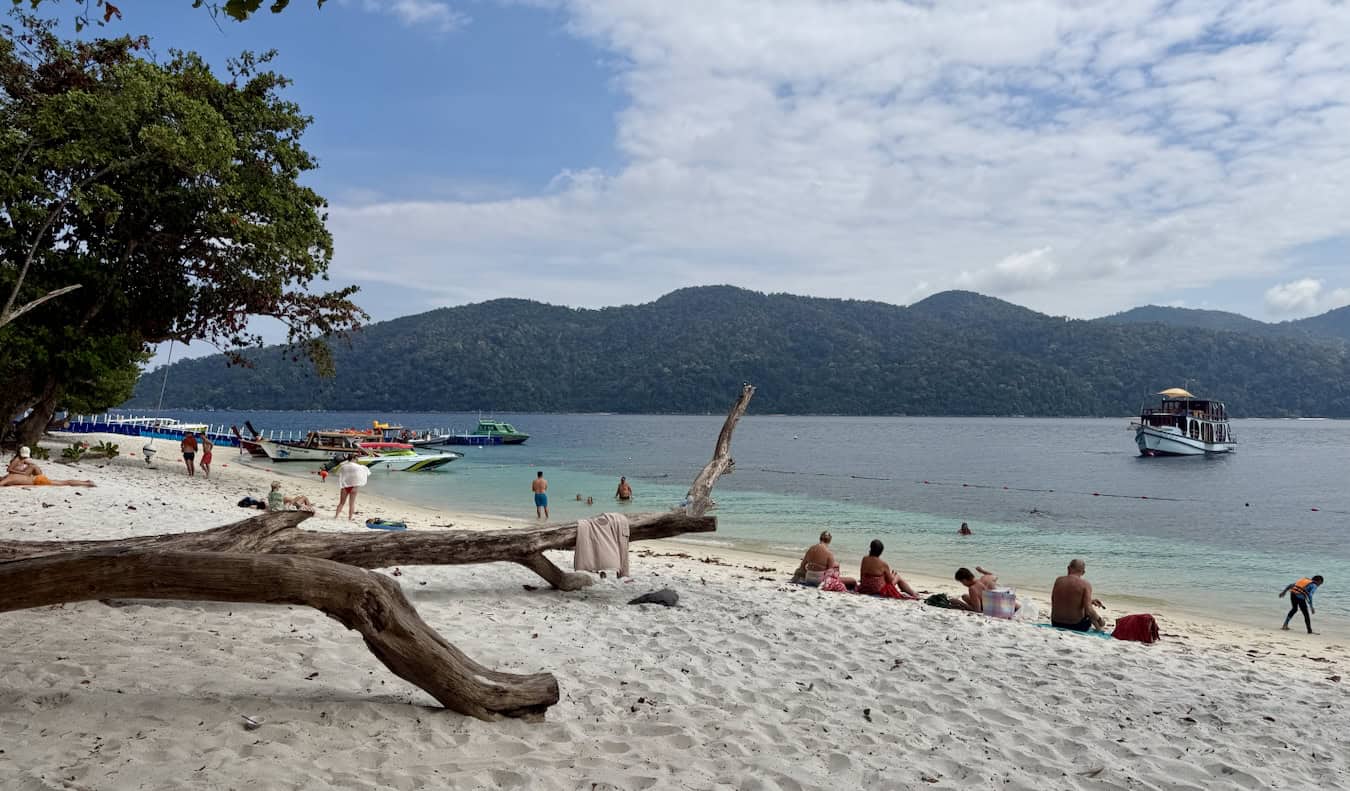
- Ko Lanta: Known for a more relaxed pace and a stronger sense of local community.
- Ko Jum: Retains much of the "old-school" Thai charm that has been stripped away elsewhere.
- Ko Mook: Offers natural beauty without the extreme density of commercialized resorts.
By shifting our tourism dollars to these locations, we reward better management and encourage other regions to adopt sustainable practices.
Final Reflections: The "Travel Ghost" Dilemma
Returning to a place one loved two decades ago is, in many ways, an act of "chasing ghosts." Memories are static, while the world is fluid. It is painful to admit that the paradise of the past has been commodified, but acknowledging this reality is an essential part of the mature traveler’s journey.
Ko Lipe has become a casualty of its own beauty. It is a cautionary tale that underscores the necessity of limits. We cannot consume every corner of the planet without eventually destroying what made it worth visiting in the first place.
Sometimes, the most profound way to honor a place is to leave it alone. By choosing not to visit Ko Lipe, you are not just skipping a destination; you are taking a stand against the unsustainable exploitation of one of the world’s most beautiful environments. The genie cannot be put back in the bottle, but we can certainly stop feeding the cycle of degradation.

Your choices have an impact. Choose wisely.