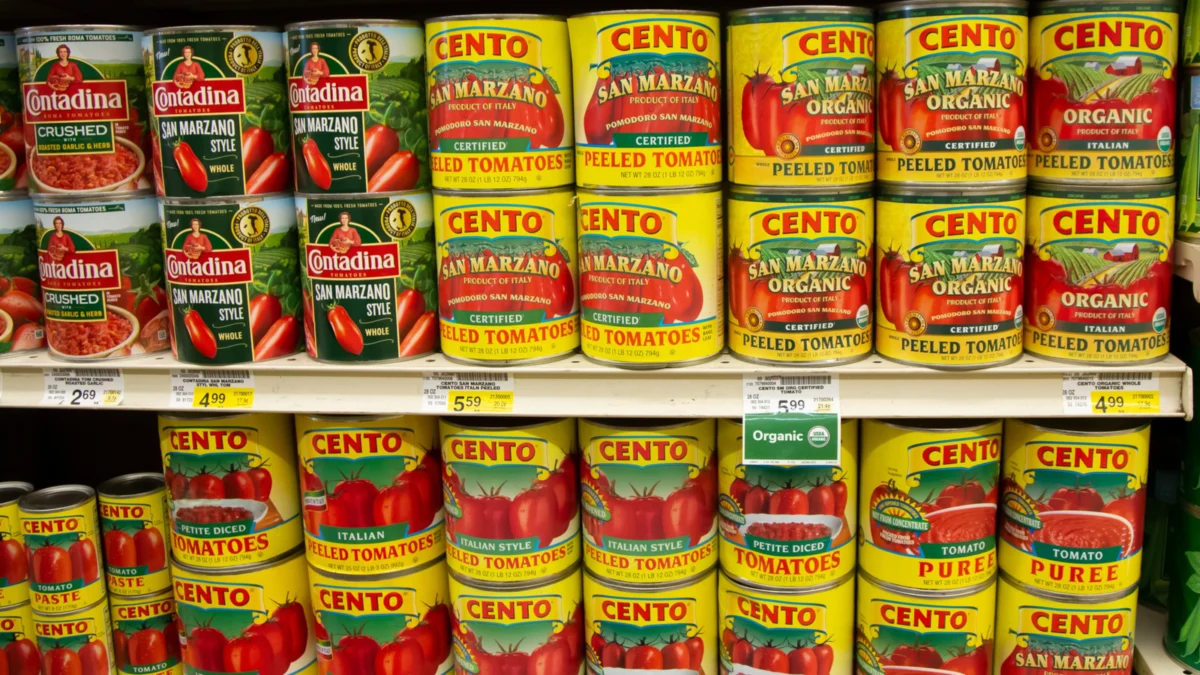
In the culinary world, few ingredients hold as much prestige as the San Marzano tomato. Often heralded as the "Ferrari of canned tomatoes," these slender, vibrant red fruits are the cornerstone of authentic Neapolitan pizza and high-end pasta sauces. Yet, as global demand for premium ingredients surges, a cloud of skepticism has settled over the canned goods aisle. Is the "San Marzano" label a guarantee of volcanic-soil-grown excellence, or is it merely a sophisticated marketing illusion masking mass-produced, ordinary tomatoes?
With price tags often three to four times higher than standard store-brand alternatives, the question is not just one of taste, but of transparency. To understand the value of these tomatoes, one must look beyond the label and into the complex, often murky world of international food certification and supply chain integrity.
The Anatomy of a San Marzano
To appreciate why these tomatoes command such a high price, one must understand their provenance. True San Marzano tomatoes are not simply a variety; they are a product of a specific terroir. Cultivated in the fertile, volcanic soil near Mount Vesuvius in Italy, these tomatoes benefit from a unique microclimate.
The combination of nutrient-dense ash-rich soil, moderate rainfall, and consistent sunshine creates a fruit with a distinct flavor profile: high sugar content, low acidity, and remarkably thin skin. Unlike many commercial varieties, San Marzanos possess a firm, meaty flesh with minimal seed pockets. This makes them biologically superior for sauce-making, as they break down into a velvety consistency without the watery, acidic tang that plagues lesser, mechanized varieties.
A Chronology of Conflict and Authenticity
The saga of the San Marzano is a long-standing battle between traditional agricultural standards and modern market demand.
- 1996: The European Union grants the Denominazione d’Origine Protetta (DOP) status to San Marzano tomatoes. This legal framework requires that any product labeled "San Marzano" must be grown in a specific geographic area (the Sarnese-Nocerino region) and processed according to strict, traditional methods.
- 2011: A turning point in public perception occurs when Edoardo Ruggiero, president of the Consorzio San Marzano, drops a bombshell claim in an interview with Gustiamo. He estimates that a staggering 95% of products labeled "San Marzano" in the United States are fraudulent—either grown outside the region, grown from non-traditional seeds, or processed using methods that violate DOP standards.
- 2015–2020: As the "foodie" movement gains traction in North America, consumer scrutiny increases. Independent investigative reports and culinary experts begin to highlight the lack of federal enforcement in the U.S. regarding foreign geographical designations.
- 2026: The tension reaches a boiling point with a high-profile class-action lawsuit filed against Cento Fine Foods, one of the most prominent brands in the U.S. market. The suit alleges that the company’s "certified" branding is misleading, challenging the validity of the specific certification organizations they utilize.
The World of Tomato Fraud: Navigating the Labels
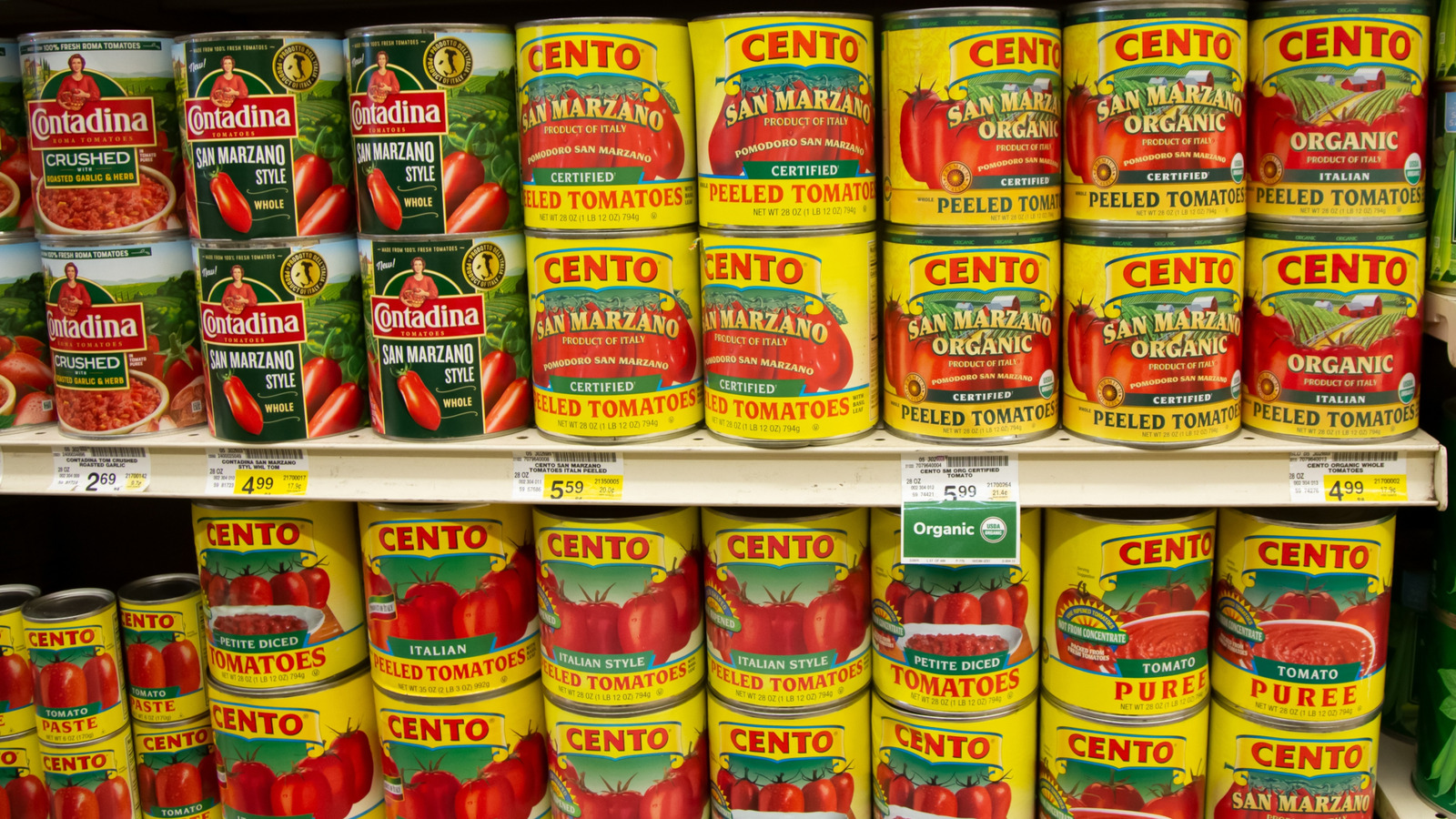
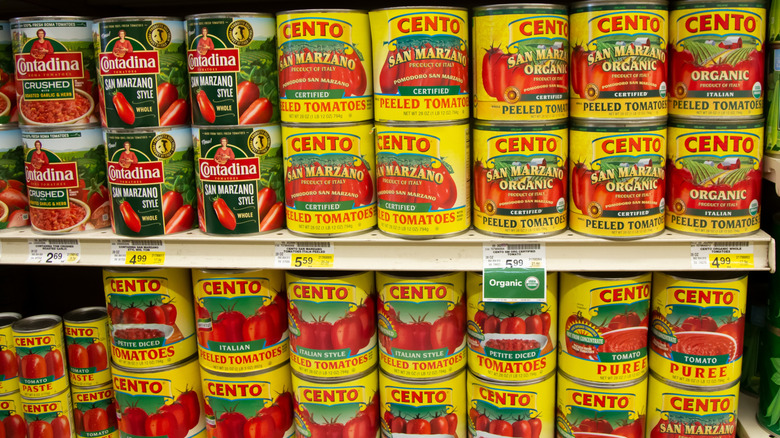
For the average consumer, the supermarket aisle is a labyrinth of confusing terminology. A can might feature an Italian flag, a picture of a picturesque farmhouse, and the words "San Marzano Style." It is vital to note that "San Marzano Style" is a legal loophole—it essentially admits the product has no connection to the actual region in Italy.
The fraud, however, goes deeper than "style" labels. Because the United States does not recognize the European Union’s DOP status with the same legal teeth it holds in Italy, a domestic company can theoretically grow a long, plum-shaped tomato in California or elsewhere, call it a "San Marzano," and face little to no regulatory pushback.
Furthermore, some unscrupulous exporters have historically shipped unlabeled cans of generic tomatoes to the U.S., where they are then canned and labeled with "San Marzano" branding in local facilities. This removes the "Made in Italy" audit trail, effectively laundering the origin of the fruit.
Supporting Data: The Price of Prestige
The economic disparity between a standard tomato and a "certified" San Marzano is stark.
- The Economy Option: Store-brand whole peeled tomatoes typically retail for roughly $1.50 per 28-ounce can. These are generally high-yield, machine-harvested varieties designed for shelf stability and low cost.
- The "Premium" Option: A verified, DOP-certified can of San Marzano tomatoes can range from $5.00 to $9.00.
When conducting a blind taste test, the differences are often palpable. Standard canned tomatoes often require added citric acid to maintain their shelf life, leading to a sharp, metallic bite that must be balanced with sugar or baking soda. True San Marzanos, however, possess a natural, deep sweetness that requires little more than a pinch of salt and a leaf of basil to shine.
However, culinary data suggests a "law of diminishing returns." While San Marzanos are undeniably superior to the lowest-tier canned tomatoes, they often perform similarly to high-quality domestic plum tomatoes grown in California’s Central Valley, which also benefit from a Mediterranean-like climate and rich, deep soil.
Official Responses and Corporate Defenses
The legal challenges facing major importers have forced companies to be more transparent about their sourcing. In response to the 2026 lawsuit, Cento Fine Foods has maintained its stance that its products are sourced from the authorized Sarnese-Nocerino region. Their defense hinges on the argument that they utilize third-party certification bodies that verify the tomatoes’ origin, even if those bodies are distinct from the European Consorzio.
From a legal perspective, the defense is complex. Without a unified international agreement on what constitutes "San Marzano" outside of the EU, companies argue that as long as the physical product originates from the protected volcanic soil, the use of the name is factually accurate, regardless of the certification body used.
Implications for the Home Cook
So, where does this leave the home cook? The implications are twofold: ethical and practical.
From a practical standpoint, the "San Marzano" label is currently an unreliable indicator of quality. If you are seeking the best flavor for a Sunday gravy or a Neapolitan pizza, look for the official red-and-yellow DOP seal on the can. If that seal is missing, you are likely paying a premium for a marketing narrative rather than a protected product.
From an ethical standpoint, the widespread misuse of the name threatens the livelihoods of farmers in the Sarnese-Nocerino region who abide by the costly and rigorous standards of the Consorzio. When "fake" tomatoes undercut the market, it dilutes the value of the genuine product, making it harder for traditional Italian agriculture to survive in a globalized, cost-cutting economy.
Final Verdict: Is it Worth It?
If your recipe calls for a simple, elegant tomato sauce where the tomato is the star—such as a classic Margherita pizza or a simple pomodoro pasta—the investment in a verified, DOP-certified San Marzano is worth every penny. The texture, acidity balance, and depth of flavor are difficult to replicate with industrial-grade tomatoes.
However, if you are simmering a complex, long-cooked meat ragù or a chili where the tomatoes are obscured by heavy spices, garlic, onions, and meat, the subtle nuances of the San Marzano will be lost. In those instances, a high-quality domestic plum tomato is a perfectly acceptable, cost-effective substitute.
The most important takeaway for the consumer is to become a "label detective." Ignore the pictures of Italian countryside villas and the "imported from Italy" stickers. Instead, look for the official DOP certification stamp. If you can’t find it, don’t pay the premium. And as a final tip from the experts: regardless of which brand you choose, adding a sprig of fresh basil to your pot during the simmer can bridge the gap, adding the aromatic complexity that your sauce may otherwise be missing.