
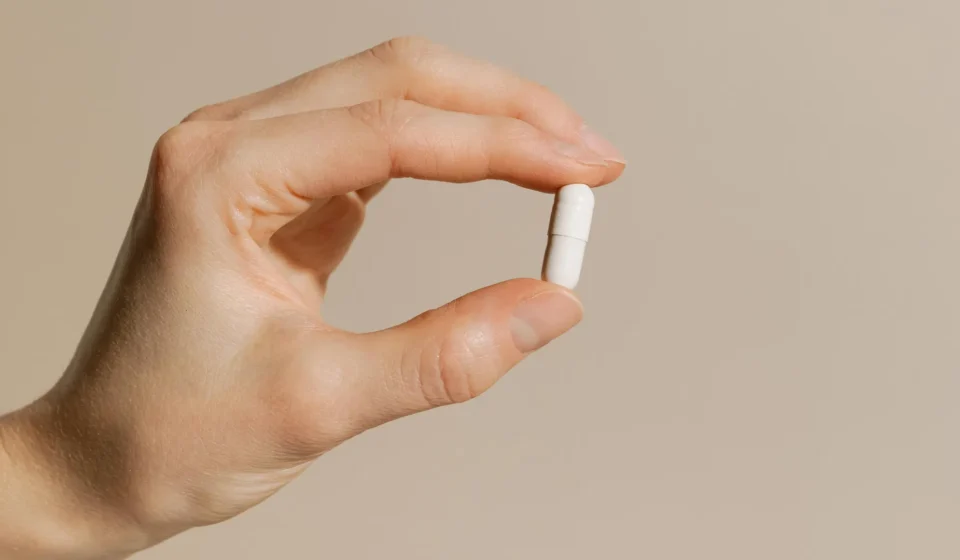

In a breakthrough study that challenges long-held medical assumptions, researchers at the Università Cattolica in Milan have discovered that the power of the mind may be one of our most potent tools in combating the physical and cognitive decline associated with aging. The study, published in the International Journal of Clinical and Health Psychology, reveals that older adults who knowingly consumed placebo pills—so-called "open-label placebos"—exhibited significant improvements in memory, physical performance, and stress management, often rivaling the results of actual clinical interventions.
Led by a team of psychologists including Diletta Barbiani, Alessandro Antonietti, and Francesco Pagnini, the research suggests that the placebo effect is not merely a byproduct of deception, but a physiological response that can be harnessed through transparency. As global populations age, this discovery offers a low-cost, ethically sound, and scientifically supported strategy to enhance the quality of life for the elderly.
The Genesis of the Research: Bridging Psychology and Biology
For decades, the placebo effect was viewed as a nuisance in clinical trials—a psychological "noise" that researchers had to filter out to prove a drug’s efficacy. However, a shift in perspective over the last twenty years has turned this "nuisance" into a subject of rigorous scientific inquiry.
The team at Università Cattolica sought to address a specific gap in the literature: Could the mind be trained to mitigate the natural, age-related decline of physical and cognitive function? Supported by PNRR grants through the Age-IT project, the researchers set out to test whether an open-label approach—where the patient is fully informed that the pill contains no active pharmacological ingredients—could trigger the same "healing" response as a traditional, deceptive placebo.
"The study is part of an established line of research in which we analyze the role of the mind in aging processes, which is very important," says Francesco Pagnini, Full Professor of Clinical Psychology at the Faculty of Psychology of the Università Cattolica. By investigating how self-perception and expectations influence the body, the team aimed to move beyond the "fake pill" stigma and explore the profound connection between mental state and biological performance.
Chronology of the Study: Methodology and Execution
The study involved 90 healthy older adults living in the community, providing a representative sample of individuals navigating the later stages of life. The participants were randomly assigned to one of three distinct cohorts to ensure a rigorous comparison:
- The Control Group: This group received no intervention whatsoever, serving as the baseline for normal aging progression during the three-week study period.
- The Deceptive Placebo Group: Participants in this group were administered inert pills but were told they were receiving an active, proprietary supplement designed to enhance physical vitality and cognitive clarity.
- The Open-Label Placebo Group: These participants were given the same inert pills but were transparently informed that the substance contained no active ingredients. They were educated on the "placebo effect" and told that, despite the lack of chemistry, the simple act of taking a pill could stimulate beneficial mind-body responses.
Over the course of three weeks, the participants underwent a series of objective tests and subjective questionnaires. Before and after the intervention, researchers measured levels of perceived stress, psychological well-being, sleepiness, fatigue, and optimism. Furthermore, they employed objective metrics to track short-term memory, selective attention, and physical performance.
Supporting Data: When Transparency Trumps Deception
The results were not only statistically significant but, in many cases, defied the conventional expectation that a placebo must be "believed" to be real to work.
Physical Performance Gains
Physical health metrics saw a marked increase in both placebo groups compared to the control group. The deceptive placebo group experienced a 7% increase in physical performance. Counterintuitively, the open-label group saw an even higher improvement, with a 9.2% increase in physical function.
Cognitive and Memory Metrics
The cognitive results were perhaps the most striking. Participants who believed they were taking a real supplement saw cognitive scores improve by between 12.6% and 14.6% across various tests. Remarkably, the open-label group saw improvements ranging from 6.9% to 21.5%, depending on the specific cognitive domain.
Stress and Sleep
While both groups saw benefits, the "honest" placebo group showed a distinct advantage in psychological regulation. Stress levels dropped most noticeably among those who knew they were taking a placebo. This suggests that the act of participating in a self-care ritual—and the intentionality behind it—may play a larger role in emotional regulation than the pharmacological deception itself.
"These are significant effects," Professor Pagnini emphasizes. "They are comparable to those seen in some experimental studies on physical activity regarding physical performance and cognitive training, especially with regard to memory."
Official Responses and Interpretations
The findings have sparked a conversation within the gerontology and psychology communities. By removing the element of deception, the study addresses the primary ethical concern associated with placebo administration.
Professor Pagnini and his colleagues argue that the "open-label" model transforms the placebo from a tool of trickery into a therapeutic partnership. When a patient is told, "This pill has no active chemicals, but your body can use this ritual to improve your health," the patient becomes an active participant in their own wellness. This empowerment, the researchers suggest, is the catalyst for the observed improvements.
Furthermore, the data provides strong evidence that age-related decline is not purely a process of biological decay, but one that is highly susceptible to modification through internal belief systems. The reduction in drowsiness and the improvement in selective attention suggest that the "placebo response" touches upon autonomic functions that were previously thought to be beyond the reach of conscious influence.
Implications for the Future of Healthy Aging
The implications of this study for clinical practice and public health are profound. As the global population continues to live longer, the burden on healthcare systems to manage chronic, age-related decline is reaching a breaking point. If a simple, safe, and transparent intervention like an open-label placebo can yield measurable improvements, it could serve as a valuable tool in the toolkit of geriatric care.
A New Ethical Paradigm
Historically, doctors have been reluctant to use placebos because of the requirement to lie to the patient, which violates the fundamental principle of informed consent. This study provides a scientific "green light" for a new approach: honest placebo therapy. By being transparent, clinicians can foster a sense of self-efficacy in elderly patients, encouraging them to take charge of their health in a way that respects their intelligence and autonomy.
The Mind-Body Connection
This research reinforces the growing consensus that the aging process is not an inevitable, unidirectional slide. It is a dynamic state influenced by thoughts, emotions, and self-perception. For an older adult, the act of "taking a pill to feel better" may signal to the brain that the body is being cared for, triggering the release of neurotransmitters or hormonal adjustments that improve focus, reduce stress, and enhance physical vigor.
Moving Forward
While the study was limited to a three-week window, the consistency of the data suggests that further, long-term research is warranted. Questions remain regarding the duration of these effects and whether they can be sustained over months or years. However, for now, the Università Cattolica study offers a hopeful message: the aging body is more responsive to the mind than we ever dared to imagine.
As Professor Pagnini notes, the results serve as a powerful reminder of the "powerful connection between the mind and the body." By embracing the potential of the placebo effect without the need for deception, we may be on the cusp of a new, kinder, and more holistic era of medicine for our aging population. The key to healthy aging may not just be found in a pharmacy, but in the intentionality we bring to our daily lives.