
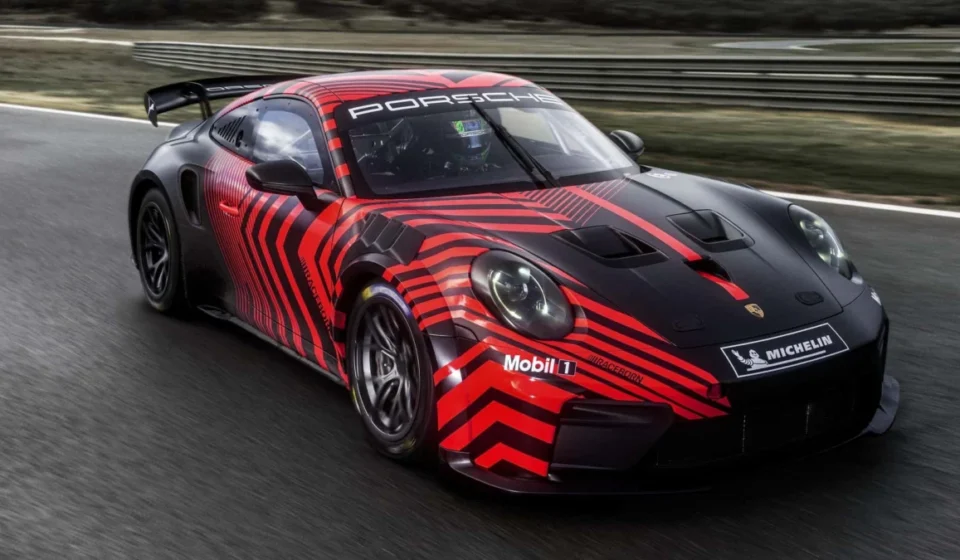

In a seismic shift for the world of customer racing, Porsche has officially announced the end of its long-standing reliance on the Cayman platform for the GT4 category. Since 2016, the mid-engined Cayman has served as the backbone of Porsche’s entry-level GT racing efforts, racking up more than 1,500 race-winning chassis across the globe. However, as the automotive landscape shifts and internal combustion variants of the Cayman and Boxster reach the end of their lifecycle, Porsche is pivoting to its most iconic nameplate.
Beginning in 2027, the GT4 category will be defined by a new challenger: the Porsche 911 GT4 R. By transitioning the platform to the 911, Porsche is not only future-proofing its customer racing program but also aligning its entry-level competition efforts with the architecture that has defined the brand for over six decades.
A Technical Evolution: From Cayman to 911
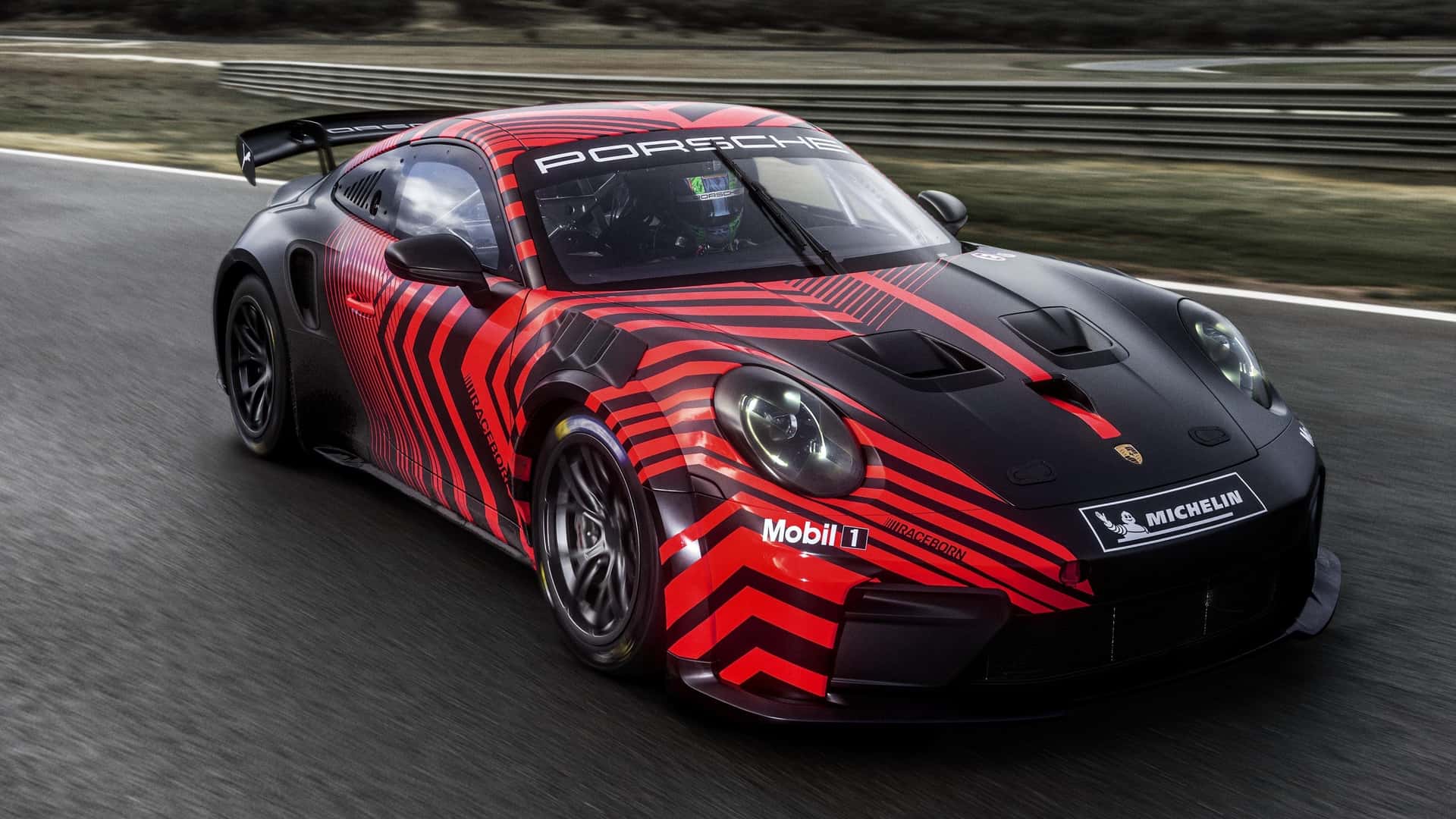
The move to the 911 platform is more than a branding exercise; it is a fundamental re-engineering of how teams approach the GT4 grid. The 911 GT4 R is built upon the "technical foundation" of the 2026 911 Cup car, ensuring that the new machine benefits from the cutting-edge development Porsche has poured into its premier one-make racing series.
At the heart of the machine lies a 4.0-liter six-cylinder boxer engine, a powerplant synonymous with Porsche’s performance pedigree. This race-tuned engine produces 512 horsepower and 362 pound-feet of torque. Power is transferred to the rear wheels via a high-performance six-speed sequential gearbox, operated by steering-wheel-mounted paddle shifters.
While the lineage of the 911 Cup is evident, the GT4 R incorporates specific modifications to comply with the distinct requirements of GT4 racing. Notably, the wheels are one inch narrower than those found on the standard Cup car, and in a move that favors ease of maintenance for privateer teams, the vehicle utilizes a traditional five-bolt mounting pattern rather than the sophisticated center-lock design favored by professional series.
Chronology of Porsche’s GT4 Dominance
To understand the significance of the 2027 transition, one must look at the timeline of Porsche’s involvement in the category:
- 2016: Porsche launches the Cayman GT4 Clubsport, marking the brand’s formal entry into the burgeoning GT4 racing category. The mid-engine layout proves immediately competitive.
- 2016–2026: Over a ten-year span, the Cayman platform evolves through multiple iterations, becoming the gold standard for amateur and semi-professional endurance racing. More than 1,500 units are produced and delivered to customer teams worldwide.
- 2025: Porsche announces the sunsetting of the combustion-powered Cayman and Boxster lines, signaling the necessity for a new racing platform.
- 2026: Development and testing of the 911-based race car intensify, drawing heavily on the technical data gathered from the 911 Cup program.
- 2027: The 911 GT4 R makes its competitive debut in the IMSA Michelin Pilot Challenge and the SRO Pirelli GT4 America championship.
Engineering for the Driver: Sophistication and Control
The 911 GT4 R is designed not just for speed, but for the optimization of driver performance. The cockpit features a 10.3-inch color display designed to provide critical telemetry at a glance. Integrated data logging and advanced GPS systems ensure that teams can analyze every corner, braking zone, and gear shift, allowing drivers to refine their technique with professional-grade precision.
Aerodynamics remain a cornerstone of the 911’s performance. The rear wing on the GT4 R offers 11 distinct adjustment positions, allowing teams to tune the car’s downforce profile to match the specific characteristics of tracks ranging from the high-speed straights of Daytona to the technical twists of Laguna Seca. The suspension system is equally configurable, featuring three selectable spring rates and dual-adjustable dampers, ensuring that the car can be balanced to suit various driving styles and tire degradation levels.
Economic Implications and Accessibility
The barrier to entry for the 2027 911 GT4 R is set at $375,000, a figure that includes import and delivery within the United States. While this price tag reflects the premium engineering involved, it is designed to be a "turnkey" solution for privateer teams.
Volker Holzmeyer, President and CEO of Porsche Motorsport North America, emphasized the strategic importance of this transition. "The expansion of the 911 platform for use in GT4 allows for a simplified transition from Porsche one-make racing into GT4," Holzmeyer stated. "Race drivers and teams will benefit from a shared platform with the 911 Cup across our Porsche motorsport one-make system and open competition series across North America."
By streamlining the platform, Porsche is effectively creating a ladder for young drivers. A competitor can start in the 911 Cup series and move into GT4 competition without needing to learn the nuances of an entirely different car, fostering a more efficient development pipeline for the next generation of endurance racing stars.
Implications for the Road-Going 911
Perhaps the most intriguing question following the announcement of the GT4 R is what this means for the road-legal Porsche 911. The Cayman GT4 was a massive success for Porsche, bridging the gap between a standard sports car and a track-focused weapon. With the combustion Cayman out of the picture, industry analysts are speculating that a high-performance "GT4" variant of the 911 could eventually find its way into showrooms.
While Porsche remains tight-lipped regarding future road-car lineups, the historical precedent of "racing on Sunday, selling on Monday" suggests that the R&D invested in the 911 GT4 R will eventually influence the consumer market. Whether this takes the form of a lightweight, naturally aspirated 911 or a specialized track-day edition, the appetite among enthusiasts for a direct street-legal descendant of this new race car is undoubtedly high.
A New Chapter for Porsche Motorsport
As the 2027 season approaches, the racing community is watching closely to see how the 911 platform handles the rigors of the GT4 field. The legacy of the Cayman is one of agility and dominance, but the 911 brings with it a pedigree of mechanical durability and chassis balance that has defined the brand for decades.
The transition to the 911 GT4 R is a bold statement from Stuttgart. It reinforces the brand’s commitment to internal combustion in a racing environment, even as the broader automotive industry leans heavily toward electrification. By consolidating its racing efforts under the 911 banner, Porsche is ensuring that its customer racing programs remain efficient, competitive, and firmly rooted in the brand’s storied history.
For the teams currently running the Cayman, the 2027 season represents a period of adaptation. However, with the shared technical DNA between the Cup car and the new GT4 R, the transition is expected to be seamless, promising an even more competitive grid in the years to come. Whether in the IMSA Michelin Pilot Challenge or the SRO Pirelli GT4 America series, the sound of the flat-six engine remains the heartbeat of Porsche—a heartbeat that will continue to echo on race tracks for many years to come.