
Tragedy at the Garden: Fatal Fall During Goose Concert Raises Urgent Questions Over Arena Safety

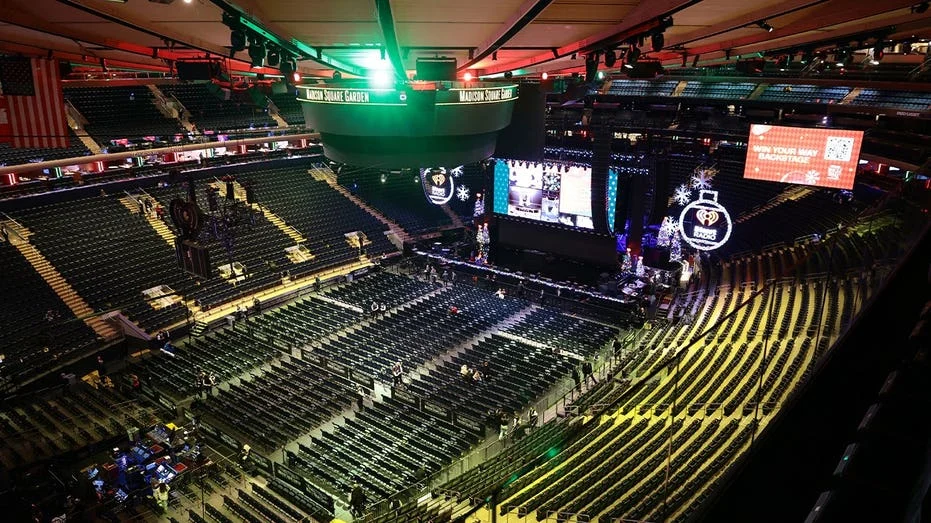
A night of musical celebration turned into an unspeakable tragedy at Madison Square Garden on Saturday, when a 51-year-old concertgoer suffered a fatal fall from the upper tiers of the historic arena. The incident occurred during a performance by the fast-rising Connecticut jam band Goose, casting a somber shadow over the second night of their highly anticipated, sold-out two-night run at "The World’s Most Famous Arena."
The tragedy has reignited long-standing debates regarding the safety of high-altitude seating in modern sports and entertainment arenas, the architectural balance between optimal sightlines and spectator safety, and the protocols venues must employ during high-energy live music events. As the New York Police Department (NYPD) continues its investigation, the live entertainment industry is once again forced to confront the inherent risks of vertical arena designs.
Main Facts
The core details of the incident paint a devastating picture of a sudden and catastrophic accident:
- The Victim: A 51-year-old male who was attending the concert alongside his wife. His identity has been withheld by authorities pending complete family notification and the completion of preliminary investigative steps.
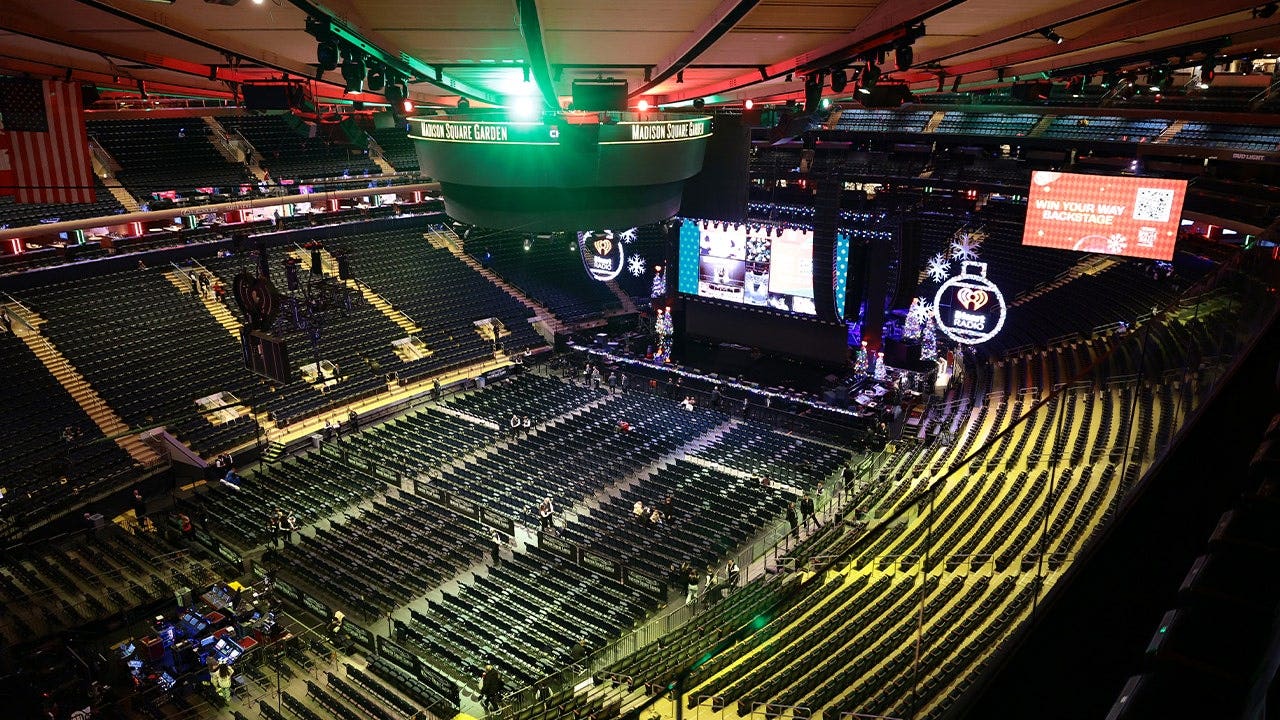
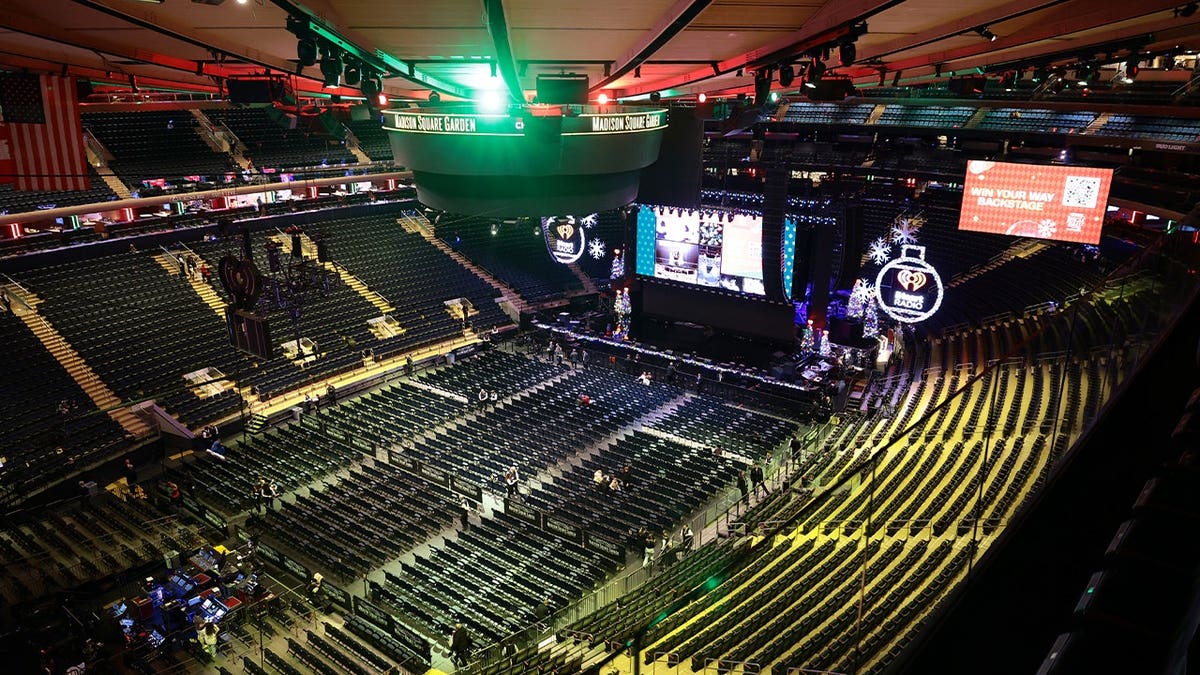
- The Location: Madison Square Garden (MSG) in Midtown Manhattan, specifically the 300-level section. This tier represents the upper-level balcony and seating bowl, positioned high above the arena floor and lower seating bowls.
- The Event: A sold-out concert by the rock band Goose, on the second night of their two-night weekend engagement at the venue.
- The Outcome: The victim fell from an elevated position in the 300 level. He was discovered unconscious and unresponsive by emergency responders and was subsequently rushed to NYC Health + Hospitals/Bellevue, where he was pronounced dead.
- Initial Assessment: Preliminary reports from law enforcement indicate that the fall appeared to be accidental, though a comprehensive investigation remains active to determine the precise sequence of events leading up to the tragedy.
Chronology of the Incident
To understand how the tragedy unfolded, it is necessary to examine the timeline of events on the night of Saturday, and the subsequent hours of emergency response and public statements.
[Saturday Evening: Goose takes the stage for Night 2]
       │
[~9:50 PM: Fatal fall occurs from the 300-level balcony]
       │
[9:55 PM: NYPD & FDNY receive urgent 911 dispatch calls]
       │
[10:00 PM: First responders arrive; victim found unresponsive]
       │
[Late Saturday Night: Victim pronounced dead at Bellevue Hospital]
       │
[Sunday Morning: Official statements released by NYPD, MSG, and Goose]
The Lead-Up to the Tragedy
On Saturday evening, thousands of fans poured into Madison Square Garden for the second consecutive night of Goose’s sold-out run. The band—consisting of Rick Mitarotonda, Trevor Weekz, Peter Anspach, and Cotter Ellis—has rapidly ascended within the jam band subculture, known for drawing highly active, dancing crowds. The atmosphere inside the arena was energetic, with fans occupying all tiers, including the steep, high-altitude seating of the 300 level.
The Fall and Emergency Mobilization
Shortly before 10:00 PM, as the performance was underway, the 51-year-old victim plunged from the 300-level balcony. The sudden drop caused immediate panic among nearby spectators in the upper tiers and those in the lower bowls who witnessed the fall or heard the impact.
At 9:55 PM, the NYPD received a frantic 911 call reporting an injured male inside the venue. On-site security and medical personnel immediately mobilized, navigating through the packed arena to reach the victim.
First Responder Intervention
Upon arrival at the specific impact zone, police officers and emergency medical technicians (EMTs) found the victim unconscious, unresponsive, and suffering from severe, catastrophic trauma consistent with a fall from a significant height.
Paramedics initiated life-saving measures on-site before transferring the victim to a waiting ambulance. He was rushed under emergency escort to NYC Health + Hospitals/Bellevue, a major trauma center on Manhattan’s East Side. Despite the intensive efforts of the trauma team, the man succumbed to his injuries and was officially pronounced dead shortly after arrival.
The Immediate Aftermath
While first responders worked to secure the scene and transport the victim, the concert continued to its conclusion, as is standard protocol in major venues to prevent mass panic, crowd surges, or interference with emergency personnel. Following the show’s conclusion, news of the tragedy began to spread through the fan community, leading to expressions of grief and shock across social media platforms.
Supporting Data and Venue Context
The physical layout of Madison Square Garden, coupled with historical data on arena falls, provides critical context for understanding how such accidents can occur and why they present such a persistent challenge for venue operators.
Understanding the 300 Level and Arena Verticals
Madison Square Garden underwent a massive, multi-year, $1 billion renovation completed in 2013. While this modernization added premium features—including the famous Chase Bridges that hang directly over the arena bowl—it preserved the steep vertical incline characteristic of high-capacity urban arenas.
| Arena Level | Seating Characteristics | Approximate Elevation Above Floor |
|---|---|---|
| Floor / 100 Level | Lower bowl, flat surface and gentle incline | 0 to 25 feet |
| 200 Level | Mid-tier bowl, moderate incline | 30 to 60 feet |
| 300 Level | Balcony and upper-tier seating, steep incline | 70 to 90 feet |
| Chase Bridges | Suspended pedestrian bridges | 110+ feet |
The 300 level includes the upper balcony sections. In these higher tiers, the seating rake (the angle of the incline) is notably steep to ensure that spectators seated at the very back still have an unobstructed view of the stage or court. This steepness, while architecturally efficient, reduces the margin of error for a patron who loses their balance, trips, or suffers a medical episode near the edge of a row or aisle.
Historical Context of Venue Falls
This tragedy is not an isolated incident in the live entertainment industry. Over the past decade, several high-profile falls have occurred at major sports and entertainment venues across the United States:
- The 2021 Chase Center Incident (San Francisco): During a concert by the jam band Phish, a fan fell from the upper deck of the Chase Center, resulting in a fatality and injuring another spectator. A subsequent investigation ruled the fall accidental but raised serious questions about railing heights and crowd behavior during high-energy concerts.
- The 2023 Mile High Stadium Incident (Denver): A spectator died after falling from an escalator bypass during a sporting event, highlighting the hazards of elevated transition pathways in modern stadiums.
- The 2015 Turner Field Incident (Atlanta): A baseball fan fell to his death from the upper deck of the stadium, leading to legal scrutiny over the height of safety railings in Major League Baseball stadiums.
These recurring incidents demonstrate that despite strict adherence to local building codes, the combination of steep arena geometry, high-energy crowd dynamics, and potential factors such as alcohol consumption or dim concert lighting creates a persistent safety challenge.
Official Responses
Following the incident, key stakeholders—including law enforcement, the venue’s management group, and the performing artists—released official statements addressing the tragedy.
The New York Police Department (NYPD)
The NYPD issued a statement confirming the timeline of the response and the preliminary focus of their investigation:
"Upon arrival, officers observed a 51-year-old male unconscious and unresponsive with injuries indicative of falling from an elevated position. The individual was transported to Bellevue Hospital, where he was pronounced deceased. The investigation remains ongoing, and we are working to determine the exact circumstances surrounding the fall."
Police sources confirmed to local media that the victim was accompanied by his wife at the time of the incident, and that preliminary evidence does not suggest any foul play or criminal activity.
Madison Square Garden Entertainment (MSG Entertainment)
MSG Entertainment, the corporate entity that owns and operates the arena, expressed deep sorrow while emphasizing their cooperation with local authorities:
"While we await the police report on the tragedy at last night’s Goose concert, we are deeply saddened by the loss of a fan’s life at Madison Square Garden. Our hearts go out to the family and friends of the concertgoer. We are fully cooperating with the NYPD in their ongoing investigation."
The Band Goose
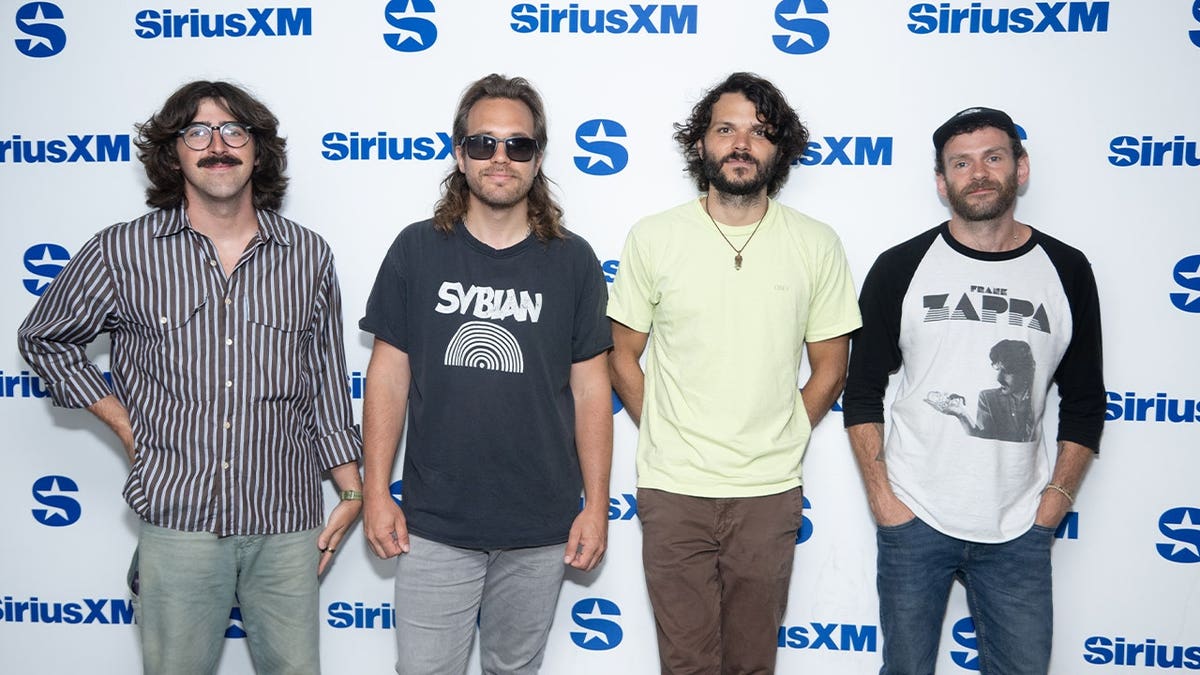
The members of Goose—Rick Mitarotonda, Trevor Weekz, Peter Anspach, and Cotter Ellis—released a joint statement expressing their devastation over the loss of a member of their community:
"We are deeply saddened and heartbroken to learn of the tragic event that occurred at tonight’s show. We extend our deepest sympathy to everyone affected. Thank you to the emergency personnel and venue staff who stepped in with care and support."
Despite the tragedy, the band proceeded with their next scheduled performance, a sold-out show at SummerStage in Central Park, while fans and community members organized online tributes to the deceased concertgoer.
Implications for Venue Safety and Industry Standards
The fatal fall at Madison Square Garden is likely to have far-reaching implications for how major arenas manage spectator safety in high-altitude seating areas, particularly during live music events.
The Debate Over Railing Heights and Sightlines
The primary design challenge in modern arenas is the tension between sightlines and safety barriers.
- Building Code Standards: Most municipal building codes, including those in New York City, require guardrails in front of seating sections to be at least 26 inches high if there is seating directly below, or up to 42 inches in open areas. These heights are designed to prevent falls while ensuring that seated patrons have an unobstructed view of the event.
- The Safety Argument: Safety advocates argue that a 26-inch or even a 30-inch railing is below the center of gravity for an average adult male standing near the edge. If a patron trips, gets bumped, or experiences a sudden medical emergency, a lower railing can act as a pivot point rather than a barrier, causing them to tumble over.
- Potential Solutions: Some modern venues have begun installing high-tension glass or plexiglass barriers that extend several feet higher than traditional metal railings. These barriers preserve sightlines while physically preventing a person from falling forward into the lower bowls.
[Traditional Railing: ~26-30 inches] -> Low barrier; maintains sightlines; risk of tipping over.
[Modern Plexiglass Barrier: ~48-60 inches] -> High barrier; maintains sightlines; physically prevents falls.
Managing Crowd Dynamics in the Jam Band Subculture
Jam band concerts present unique challenges for arena security and crowd management. Unlike sporting events where fans spend much of their time seated, or traditional rock concerts with designated standing-room-only general admission floors, jam band audiences in the upper tiers frequently stand, dance, and move continuously in the aisles and between rows for hours at a time.
This constant physical movement in steep, dimly lit sections significantly increases the risk of missteps or loss of balance. In the wake of this incident, industry experts suggest that venues may need to implement stricter "keep aisles clear" policies in the upper decks during high-energy concerts, or deploy additional event staff to monitor the front rows of elevated balconies.
Legal and Liability Considerations
From a legal standpoint, the incident will undoubtedly trigger a comprehensive review of MSG’s "duty of care" toward its patrons. While sports venues are historically protected from certain liabilities by the legal doctrine of "assumption of risk" (often printed on the back of tickets regarding flying objects like baseballs or hockey pucks), this protection rarely extends to catastrophic falls from structural elements unless the venue can prove it was in complete compliance with all applicable safety codes and that the patron’s actions were the sole proximate cause of the accident.
Regardless of the legal outcome, the tragedy serves as a grim reminder of the physical vulnerabilities inherent in modern architectural marvels. As arenas continue to build higher, steeper, and more vertically ambitious seating arrangements to maximize capacity and revenue, the safety of those occupying the highest seats must remain the paramount priority for operators, architects, and performers alike.