

For decades, the travel industry has been defined by a transactional relationship: the "extractive" model. You fly into a destination, check into a hotel, snap photos of the same landmarks that have graced postcards for half a century, eat at a recommended bistro, and return home with a souvenir and a slight tan. It is a passive, fleeting existence. Even those who identify as "long-term travelers"—the backpackers who pride themselves on dodging tourist traps and stretching a dollar—often fall into the same trap, merely slowing the pace of their consumption rather than changing the nature of their connection.
But a profound shift is occurring in how we perceive global exploration. The era of the "tourist" is being challenged by the era of the "resident." To truly understand a culture, one must stop passing through and start embedding.
The Myth of the "Digital Nomad" vs. The Reality of the Working Holiday
For the last ten years, the term "digital nomad" has been the North Star of aspirational travel. The promise was alluring: carry your laptop, earn in a strong currency, live in a low-cost destination, and maintain the freedom of a nomad. However, the reality of this lifestyle is exclusionary. It requires a specific set of skills, a remote-friendly career, and a level of financial stability that remains out of reach for many students, young professionals, and career-switchers.
Enter the rise of the "Working Holiday." While digital nomadism often keeps the traveler at a distance—tethered to a screen in a coworking space—working holidays flip the script. Instead of bringing your job with you, you integrate into the local economy upon arrival. You aren’t just visiting; you are working alongside locals, contributing to the community, and building a life that demands more than just a fleeting observation.
This model is more than a trend; it is a fundamental shift toward sustainable, grounded travel. By participating in the local workforce—whether through internships, hospitality roles, or community development—travelers are finding that they gain a level of cultural fluency that no guidebook could ever provide.
Scaffolding the Experience: The Role of Global Work & Travel
The primary obstacle for most aspiring long-term travelers is not a lack of desire, but the paralysis of logistics. Moving to a new country involves a labyrinthine process of visa applications, job hunting, housing insecurity, and the daunting challenge of navigating a foreign labor market.
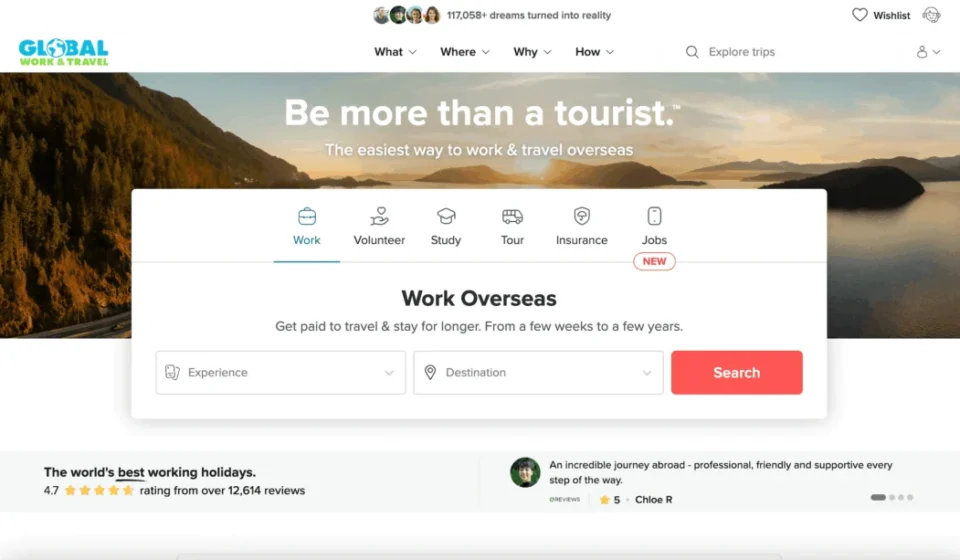
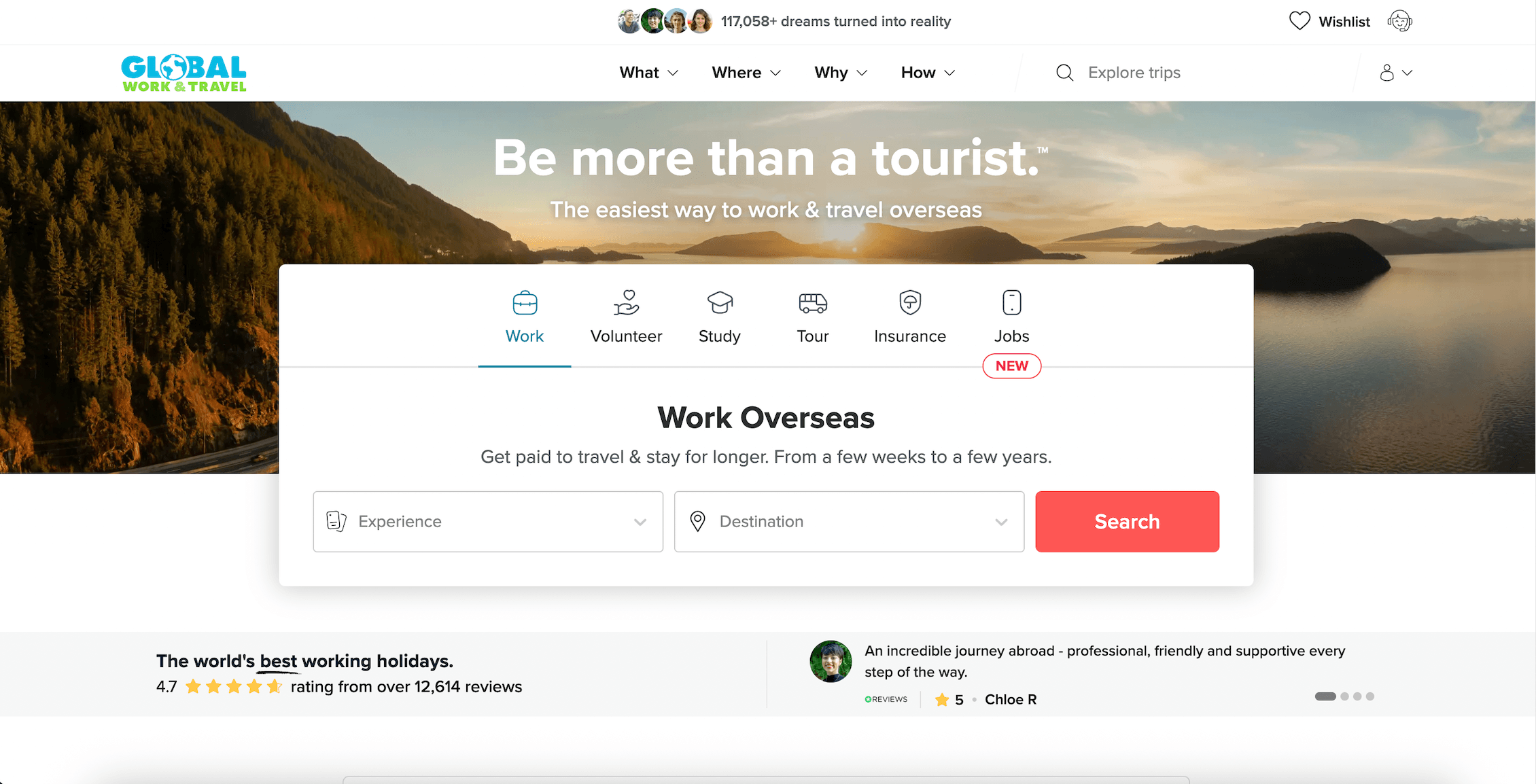
This is where companies like Global Work & Travel have stepped in to provide the necessary "scaffolding" for the modern adventurer. With nearly two decades of experience and a track record of supporting over 116,000 travelers, the company acts as a safety net that transforms the daunting prospect of moving abroad into a manageable, structured endeavor.
Chronology of Support: From Planning to Placement
The process, as facilitated by organizations like this, typically follows a rigorous, multi-stage timeline:
- Consultation & Planning (6–12 months out): Identifying the destination and program type, such as teaching, conservation, or hospitality.
- Visa & Regulatory Guidance: Navigating the specific requirements of the host country to ensure legal compliance.
- Job Matching: Unlike the independent route, where one spends weeks cold-calling, these programs often pre-match participants with roles.
- On-the-Ground Integration: Utilizing proprietary tools like the "gWorld" portal, which provides 24/7 support, keeping the traveler organized and connected.
By removing the logistical friction, these organizations are allowing travelers to bypass the "deliberation phase" and move straight into the "experience phase."
Supporting Data: Why Deep Travel Matters
The movement toward ethical, immersive travel is backed by a growing recognition of the impact—both personal and societal—of such endeavors. According to industry reports, travelers who engage in long-term, community-based placements show higher rates of cross-cultural empathy and personal development compared to short-term leisure travelers.
However, the industry has a checkered past. The rise of "voluntourism" led to many profit-driven programs that prioritized the traveler’s social media content over the needs of the local community. The current shift, championed by organizations that properly vet their partners, focuses on community-defined priorities. Whether it is elephant rehabilitation in Thailand, healthcare support in Africa, or community development in Zanzibar, the success of these programs is measured by the tangible benefits provided to the host site rather than the "experience" of the volunteer.
The Ethical Imperative: Vetting and Impact
A critical component of this new wave of travel is the commitment to vetting. A reputable organization does not simply drop a traveler into a foreign environment. They ensure that:
- The project is sustainable: The work must continue after the traveler leaves.
- The project is necessary: The local community must have requested the support.
- The traveler is prepared: Proper training (such as TEFL certification for teachers or conservation training for wildlife workers) is provided.
This level of scrutiny is essential for moving the industry toward a more ethical standard. The "Global Animal Welfare Fund," for instance, represents an evolution in the industry where a portion of the infrastructure supports long-term ecological goals, ensuring that the traveler’s impact extends beyond their tenure.
Implications for the Future of Global Tourism
What does this mean for the future? We are likely to see a decline in the "collecting destinations" mentality. Instead, we are entering an era of "deep immersion." The implications are significant:
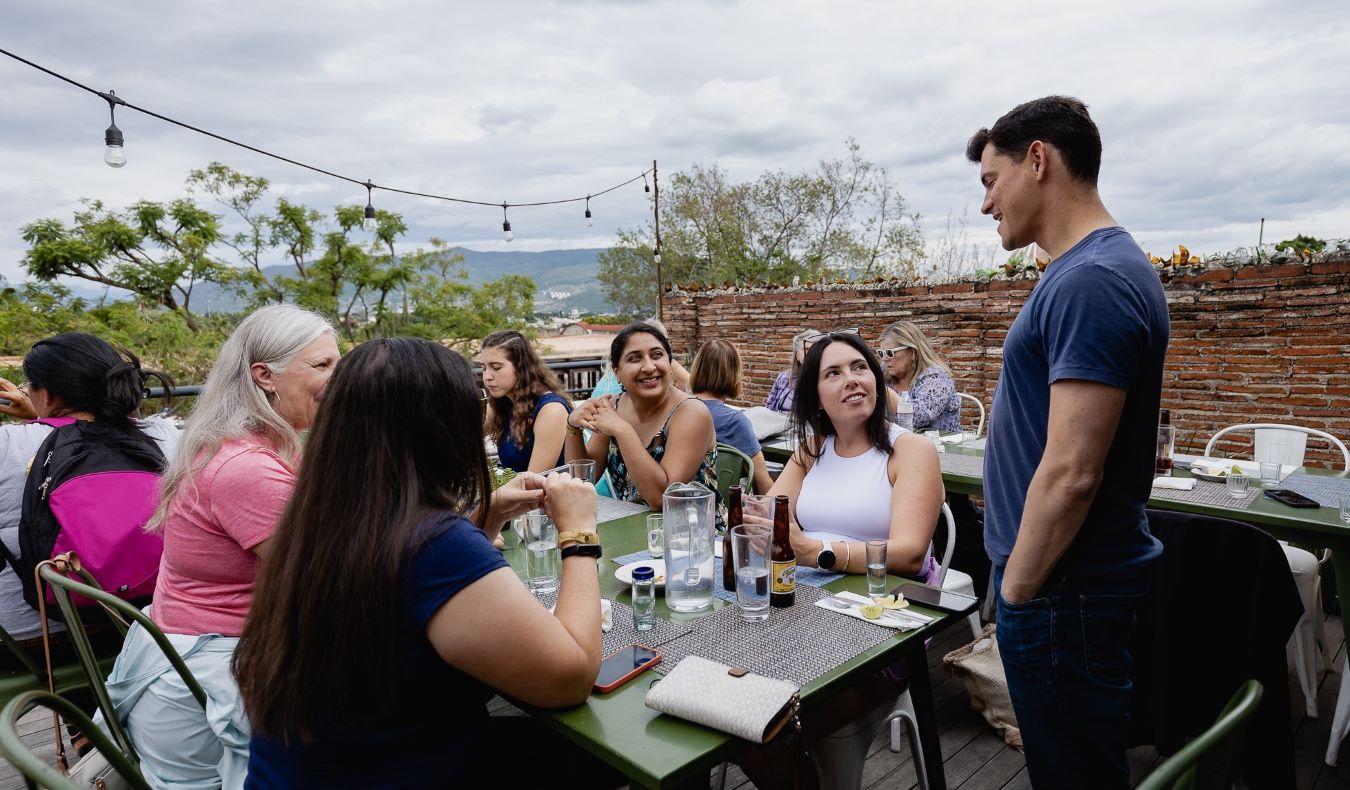
- Economic Integration: Travelers are moving from being passive consumers of goods to active participants in the local economy.
- Professional Development: International work experience is increasingly viewed as a premium skill by employers. A gap year spent managing a resort in Australia or teaching English in Vietnam is no longer seen as a "break" but as a period of professional growth.
- Social Connectivity: By living and working in one place, travelers build genuine, long-term friendships that cross borders. These connections are the most effective antidote to global polarization.
Why This Matters for You
Travel, at its best, is a transformative act. It is the moments that occur when you stop queuing for a landmark and start engaging with a community that stick with you for a lifetime. If you have been contemplating a change—a way to see the world that offers more substance than a two-week vacation—the barrier to entry has never been lower.
The logistics that once felt insurmountable are now solvable. Programs that handle the visa, the job, and the support network are turning the dream of living abroad into a realistic, accessible lifestyle for anyone with the willingness to step out of their comfort zone.
As you look toward your next trip, ask yourself: are you looking to be a tourist who leaves behind nothing but a carbon footprint, or a participant who leaves behind a contribution? The shift toward working and volunteering abroad is not just about changing your travel habits; it is about changing your perspective on your place in the global community.
Final Thoughts: Taking the Leap
For those ready to move from idea to reality, the path is clear. It requires preparation, a willingness to work, and the right partner to ensure your time is spent effectively. By using structured programs, you gain the security of a safety net while still retaining the freedom of the adventure.
If you are ready to stop "passing through" and start "living," consider the opportunities available. Whether it is a working holiday or a volunteer placement, the world is far more accessible than you realize.
For those interested in beginning this journey, you can explore the options provided by Global Work & Travel. As a special offer for our readers, use the code NOMADICMATT to unlock a $100 discount on your next life-changing trip.
Logistical Resources for the Modern Traveler
- Flights: Utilize Skyscanner to ensure you are finding the most competitive rates globally.
- Accommodation: When not in a work-provided placement, Hostelworld and Booking.com remain the gold standards for finding reliable, budget-conscious lodging.
- Protection: Never overlook travel insurance. Given the unpredictable nature of international work and travel, having a policy that covers illness, injury, and cancellation is an absolute necessity.
- Financial Planning: Consider travel-specific credit cards that offer points for flights and hotels, allowing you to maximize your budget for your next adventure.