
Nature’s Pharmacy: Brazilian Researchers Develop Novel Biomaterial to Revolutionize Periodontitis Treatment

In a significant breakthrough for regenerative medicine, a team of researchers at the Pontifical Catholic University of São Paulo (PUC-SP) has engineered a sophisticated new biomaterial that promises to transform the management of periodontitis. By synthesizing the adhesive properties of jackfruit latex, the antimicrobial potency of pomegranate peel extract, and the regenerative potential of the statin-based medication simvastatin, scientists have created a targeted delivery system that addresses the root causes of gum disease while actively promoting tissue repair.
This development, published in the journal Polymer Bulletin, represents a shift in how dental medicine approaches chronic inflammatory conditions, moving away from systemic treatments toward site-specific, regenerative therapies.
The Silent Crisis of Periodontitis
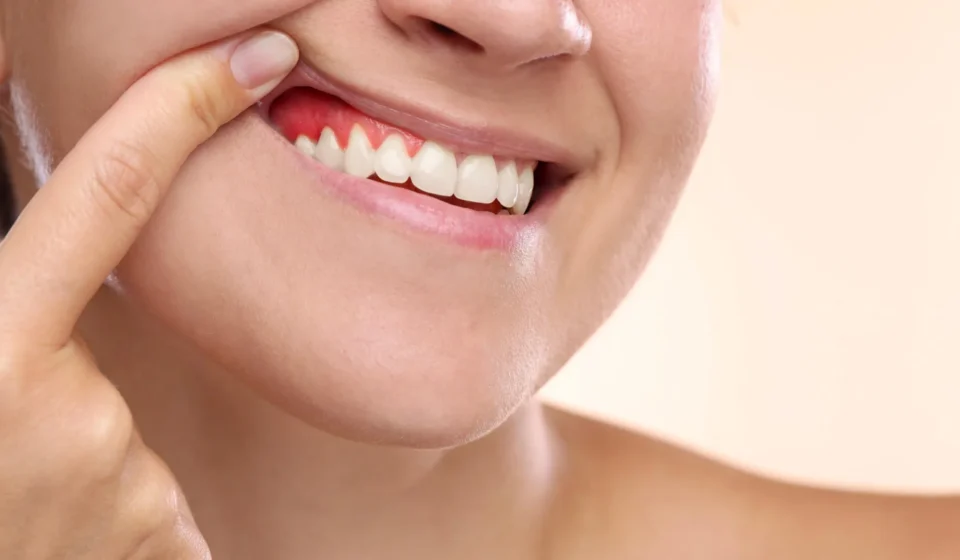
Periodontitis remains one of the most pervasive health challenges in modern dentistry. It is a chronic inflammatory disease initiated by persistent bacterial infections in the oral cavity. As the condition progresses, the immune system’s inflammatory response begins to degrade the very tissues meant to protect the teeth, including the periodontal ligament and the alveolar bone.
Left untreated, this degradation results in the loss of tooth attachment, leading to tooth mobility and, eventually, total tooth loss. The challenge for clinicians has always been the limitation of current therapeutic interventions. Traditional treatments, such as scaling and root planing, focus primarily on bacterial load reduction. While these are effective at halting the infection, they rarely stimulate the regeneration of the bone or tissue already lost to the disease.
Advanced surgical techniques, such as guided tissue regeneration and bone grafting, offer some success, but they are often expensive, invasive, and unpredictable. The medical community has long sought a more accessible, effective, and reliable method to "bridge the gap" between infection control and tissue restoration.
Chronology: From Field to Laboratory
The project, spearheaded by Professor Eliana Aparecida de Rezende Duek of the Faculty of Medical and Health Sciences (FCMS) at PUC-SP, began with a fundamental question: How can we combine the structural benefits of natural materials with the efficacy of modern medicine to create a localized treatment?
Phase I: Material Selection and Purification
The team turned their attention to the jackfruit (Artocarpus heterophyllus). Often overlooked in high-tech biomedical applications, jackfruit latex is known for its remarkable adhesive properties. The researchers hypothesized that this "natural glue" could hold therapeutic agents in the gingival pocket for extended periods, providing a sustained release of medicine that would be impossible with traditional rinses or gels.
Following the collection of fresh latex, the team undertook a rigorous purification process. This step was vital to ensure the biological compatibility of the material and to remove impurities that might trigger an immune response.
Phase II: Integrating Bioactive Compounds
Once the base matrix was stabilized, the researchers integrated pomegranate peel extract. Pomegranate is well-documented in scientific literature for its potent antimicrobial and antioxidant properties, particularly in topical applications. By incorporating this into the matrix, the researchers created a multi-pronged defense against the pathogens responsible for periodontal inflammation.
Finally, the team added simvastatin. While primarily used as a cholesterol-lowering drug, simvastatin has demonstrated unique properties in osteoinduction—the ability to stimulate the differentiation of stem cells into bone-forming cells.
Phase III: Testing and Validation
The team conducted a series of physicochemical and biological analyses to observe how the matrix held up under simulated physiological conditions. Crucially, they performed in vitro studies using human adipose-derived stem cells. By testing three specific concentrations of simvastatin—0.3%, 0.6%, and 1.2%—the researchers sought to find the "sweet spot" where efficacy met safety.
Supporting Data: The Mechanics of Regeneration
The experimental results have been described as "highly encouraging" by the research team. One of the most significant advantages of this new biomaterial lies in its delivery mechanism.
The Statin Advantage
When simvastatin is taken orally, the vast majority of the medication is metabolized by the liver, leaving only a fraction to reach the bloodstream. To achieve a therapeutic dose at the site of a gum lesion, a patient would typically need to ingest high doses, which significantly increases the risk of systemic side effects, most notably myopathy (muscle degeneration).
By embedding the medication directly into the jackfruit latex matrix, the researchers have developed a "localized release" system. This allows for higher therapeutic concentrations to be applied exactly where they are needed—the inflamed periodontal tissue—without subjecting the rest of the body to the medication.
Osteoinductive Success
The in vitro data provided clear evidence of regenerative potential. Across all three concentrations tested (0.3%, 0.6%, and 1.2%), the researchers observed a clear trend toward osteoinduction.
- Day 14: Initial signs of stem cell differentiation into bone-forming tissue were evident.
- Day 21: The regenerative process accelerated significantly, suggesting that the biomaterial not only halts the destruction of tissue but actively encourages the rebuilding of the structural foundation of the teeth.
Official Responses and Scientific Perspective
Professor Eliana Aparecida de Rezende Duek, who coordinated the study, highlighted the novelty of the approach in a recent interview. "We began to view latex extracted from jackfruit as an interesting alternative, as it has adhesive properties," she explained. "This led us to believe that it could remain longer at the site affected by periodontitis, promoting a more targeted release of therapeutic compounds."
The study, which received financial support from the São Paulo Research Foundation (FAPESP), represents a successful fusion of sustainable bio-resources and pharmaceutical engineering. By focusing on materials that have received little attention in the scientific literature, the PUC-SP team has opened a new frontier in biocompatible scaffold development.
However, the researchers remain grounded. "Despite these promising results, we’re continuing to move forward with new studies to more thoroughly evaluate the efficacy and safety of the system," Duek noted. The transition from in vitro laboratory success to clinical application is a complex journey, requiring further validation of the material’s long-term stability and its interaction with the complex microbiome of the human mouth.
Implications: A New Era for Periodontal Care
The implications of this research are far-reaching. If future clinical trials confirm the efficacy observed in the laboratory, this biomaterial could drastically change the standard of care for millions of patients.
Reducing Antibiotic Dependency
One of the most critical implications is the potential reduction in systemic antibiotic use. Periodontitis is frequently treated with oral antibiotics, which contributes to the global crisis of antibiotic resistance. A localized, mucoadhesive treatment that addresses both the bacterial infection and the inflammatory bone loss could reduce or even eliminate the need for systemic drugs, representing a win for both the patient and public health.
Democratizing Advanced Care
By utilizing jackfruit latex—a readily available, natural resource—the cost of producing such a scaffold may be significantly lower than synthetic alternatives currently used in guided tissue regeneration. This could make advanced regenerative dentistry accessible to a broader population, particularly in regions where expensive bone grafting surgeries are currently out of reach.
Future Research Directions
The team at PUC-SP is already looking toward the next steps. Future investigations will likely focus on:
- Animal Trials: To observe how the material interacts with the immune system and healing process in a living, complex model.
- Degradation Rates: Optimizing the rate at which the jackfruit latex matrix breaks down to match the speed of natural bone regeneration.
- Combination Therapies: Exploring whether other bioactive extracts could be added to the matrix to treat specific sub-types of periodontal disease.
As the scientific community watches the progress of this research, it stands as a testament to the power of interdisciplinary collaboration. By looking to the natural world for solutions and applying rigorous pharmaceutical standards, researchers in Brazil are paving the way for a future where periodontal disease is no longer a permanent, progressive condition, but a manageable and reversible health challenge.