
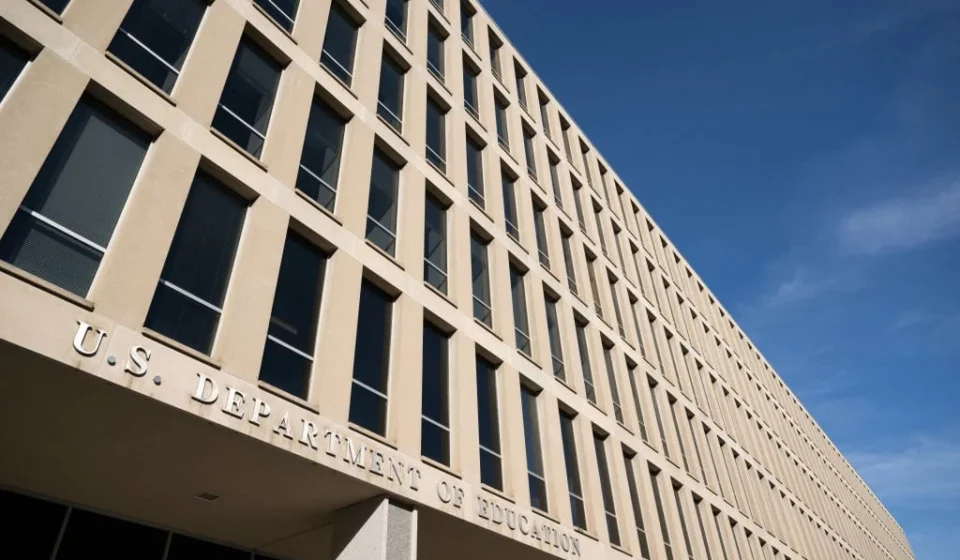
Education Department Unveils Major Interest Rate Incentive to Ease Student Loan Burden

In a significant policy shift aimed at alleviating the financial pressures on millions of American households, the U.S. Department of Education announced on Thursday a temporary but aggressive expansion of interest rate incentives for federal student loan borrowers. Starting July 1, the department will quadruple the existing autopay interest rate reduction, offering a full one-percentage-point decrease for eligible borrowers—a move projected to cost the federal government approximately $6 billion over the next two years.
This initiative, which represents a rare expansion of repayment benefits in a tightening fiscal environment, is designed to encourage administrative efficiency while providing tangible relief to those navigating the complexities of federal student debt.
The Mechanics of the New Incentive
Under current regulations, borrowers who enroll in automatic debit payments—commonly known as "autopay"—receive a 0.25-percentage-point interest rate reduction. The new policy, however, elevates this discount to a full 1.0 percentage point.
According to Education Under Secretary Nicholas Kent, the benefit is not limited to new enrollees. It will be automatically applied to those already signed up for autopay, as well as those who choose to opt in by the deadline of September 30, 2025. The enhanced reduction is scheduled to remain in effect through June 30, 2028, after which the rate is expected to revert to its previous level, pending further legislative or executive action.
Eligibility Criteria
Not all federal loans will qualify for this reduction. The department has specified that the benefit is limited to loans that were first disbursed on or after July 1, 2012. This cutoff date serves as a fiscal boundary, likely intended to focus the relief on more recent borrowers who are currently in the most active stages of repayment, rather than those with older, legacy debt structures.
A Chronology of Federal Repayment Shifts
The announcement arrives at a critical juncture in the ongoing saga of federal student loan reform. To understand the significance of this $6 billion investment, one must look at the recent trajectory of Department of Education policy:
- Pre-2022: The standard 0.25% autopay discount was the primary incentive for borrowers to automate their monthly payments, serving more as a administrative convenience for loan servicers than a significant debt-relief tool.
- The Post-Pandemic Era: Following the expiration of the COVID-19-era payment pause, the Department of Education faced immense pressure to modernize repayment plans, culminating in the introduction of the SAVE (Saving on a Valuable Education) plan.
- Early 2025: As administrative hurdles continued to plague the student loan system, the department shifted its focus toward "nudges"—behavioral interventions designed to keep borrowers in good standing.
- July 1, 2025 (Upcoming): The effective date of the new 1.0% interest rate reduction, marking the beginning of a two-year window of aggressive debt-reduction support.
- September 30, 2025: The final deadline for borrowers to opt into the program to receive the full two-year benefit.
- June 30, 2028: The sunset date for the incentive, at which point the policy will be reassessed by the administration then in power.
Supporting Data and Fiscal Implications
The $6 billion price tag associated with this policy is a testament to the scale of the federal student loan portfolio, which remains one of the largest assets held by the U.S. government. By reducing interest rates by 75 basis points more than the standard discount, the department is essentially absorbing the cost of lost interest revenue.
Financial analysts suggest that this move is a strategic "win-win" for the government. While it represents a direct cost, it also serves to stabilize the portfolio. Borrowers who pay less in interest are statistically more likely to avoid delinquency or default. Given the high administrative and legal costs associated with debt recovery, the Department of Education may view this $6 billion outlay as a cost-effective measure to prevent a larger, more systemic failure within the loan servicing ecosystem.
Official Responses and Strategic Intent
Education Under Secretary Nicholas Kent addressed the press on Thursday, framing the decision as both an economic relief effort and a systemic strengthening initiative.
"This temporary incentive is designed to help borrowers pay down their balances more quickly, take full advantage of new repayment benefits, remain on track toward loan discharge opportunities, and to strengthen the overall health of the federal student loan portfolio," Kent stated.
The emphasis on "loan discharge opportunities" is particularly telling. Many federal repayment plans include provisions for loan forgiveness after a certain number of years (often 20 or 25 years). By lowering interest rates, the department is not only helping borrowers pay off their principal faster but also ensuring that interest accrual does not outpace the borrower’s ability to pay, which has been a primary criticism of the existing system.
The Behavioral Economics of Autopay
From an administrative perspective, the push for autopay is driven by efficiency. Borrowers who automate their payments are significantly less likely to miss a deadline or experience a "payment lapse." In the world of student loans, a single missed payment can trigger a cascade of administrative complications, including the potential loss of access to certain income-driven repayment plans. By incentivizing automation, the Department of Education is essentially creating a "set-it-and-forget-it" environment that protects both the borrower’s credit score and the government’s cash flow.
Broader Implications for Borrowers and the Economy
The impact of this policy change will be felt unevenly across the borrower population. For those with high loan balances, a 1% reduction in interest is substantial. Over a two-year period, this could amount to hundreds or even thousands of dollars in savings, depending on the outstanding principal.
Impact on Debt Accumulation
One of the most persistent issues in the student loan crisis is "negative amortization," a situation where the interest on a loan grows faster than the borrower can pay it off, leading to an increasing balance despite consistent payments. By lowering the interest rate, the government is effectively slowing the rate of accumulation, providing a vital safety net for those in lower-paying professional sectors or those still in the early stages of their careers.
The "Cliff" of 2028
While the policy provides immediate relief, critics argue that it creates a "fiscal cliff." By setting a firm expiration date of June 30, 2028, the department has created a situation where interest rates will effectively rise for all participants once the program concludes. Borrowers will need to be prepared for the budgetary adjustment that will occur when their rates return to the standard 0.25% discount level.
Political and Social Context
The timing of this announcement, situated within a broader, often contentious debate over student debt, suggests a move toward targeted, data-driven relief. Rather than a blanket forgiveness policy, which has faced significant judicial and political pushback, this interest-rate adjustment operates within the existing framework of the Higher Education Act. It is a subtle, technocratic adjustment that avoids the legislative gridlock often associated with more sweeping reform efforts.
Conclusion: A Path Forward?
As the July 1 implementation date approaches, the Department of Education is expected to launch a comprehensive outreach campaign to ensure that all eligible borrowers are aware of the opportunity to enroll in autopay. For many, this will be a welcome reprieve from the relentless accrual of interest that has defined the post-college financial experience for a generation.
While the $6 billion cost is significant, the administration is betting that the long-term benefits—a more resilient loan portfolio, improved borrower outcomes, and a reduction in administrative churn—will justify the expenditure. Whether this temporary incentive eventually serves as a model for permanent interest rate caps remains to be seen, but for now, it stands as the most significant development in federal student loan policy for the 2025 calendar year.