
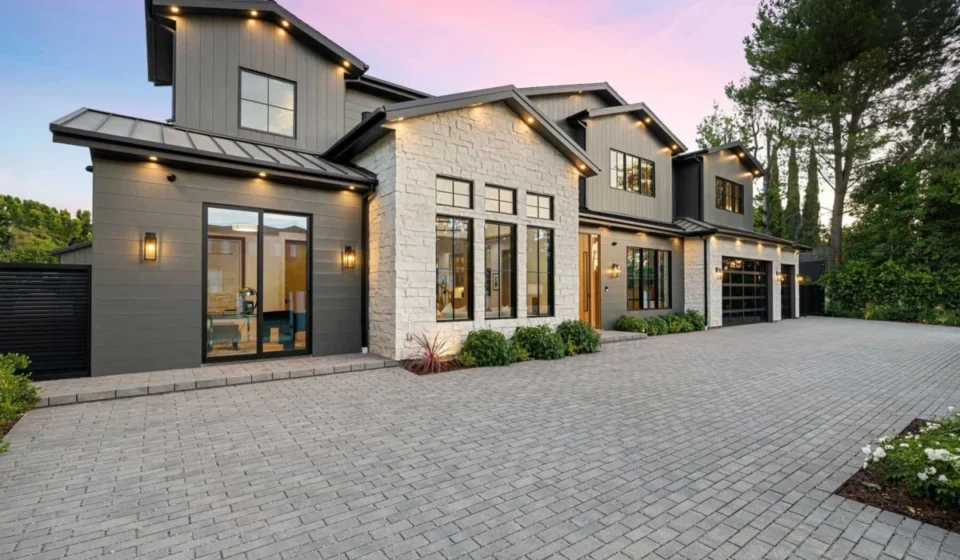
The Ultimate Guide to Driveway Materials: Balancing Aesthetics, Durability, and Investment

Your driveway is more than just a place to park your vehicle; it is the threshold of your home and a critical component of your property’s overall curb appeal. Whether you are prepping a residence in the bustling suburbs of Chicago or settling into a quiet home in Hartford, the material you choose under your tires says a lot about your home’s character—and your long-term maintenance commitment.
Choosing the right surface is a strategic decision that balances upfront costs against long-term performance. From the budget-friendly practicality of gravel to the high-end, timeless elegance of natural stone, every material carries unique implications for drainage, climate resistance, and property value.
At a Glance: Driveway Material Comparison
To assist homeowners in making an informed decision, we have compiled a comprehensive breakdown of the most popular materials currently on the market.
| Driveway Material | Average Cost (per sq. ft.) | Durability | Maintenance |
|---|---|---|---|
| Concrete | $6 – $20 | High | Low |
| Asphalt | $7 – $15 | High | Moderate |
| Paver | $10 – $40 | High | Moderate |
| Permeable Paver | $10 – $45 | High | Moderate |
| Gravel | $1 – $3 | Moderate | High |
| Brick | $10 – $30 | High | Moderate |
| Stone | $15 – $40 | High | Moderate |
1. Concrete: The Industry Standard
Concrete remains the gold standard for residential driveways across North America. Composed of a structural mixture of cement, water, sand, and aggregate, it cures into a rock-hard, monolithic slab that offers exceptional longevity.
Why Choose Concrete?
Its primary appeal lies in its versatility and structural integrity. Concrete can be tinted, stamped, or textured to mimic other materials, making it a favorite for homeowners who want a clean, polished look without the complexity of individual units.
Expert Insight: Darin Durham, Vice President of Construction at James Monroe Homes in Lexington, KY, notes: "Concrete is our preferred driveway material because it offers the durability, strength, and long-term performance homeowners expect. While asphalt is often cheaper for long, rural driveways, concrete is the standard we recommend for most residential applications because it provides a cleaner finished look, holds up well over time, and requires less ongoing maintenance."
Maintenance Requirements
While durable, concrete is not "install and forget." It requires annual cleaning to prevent mold and mildew, and homeowners should apply a high-quality sealant every few years to mitigate staining from oil, de-icing salts, and UV radiation.
2. Asphalt: The Practical Choice
For many homeowners, asphalt (or "blacktop") is the go-to solution due to its balance of cost-efficiency and quick installation time.
Pros and Cons
Asphalt’s dark, heat-absorbing surface is excellent for melting snow in northern climates, and its flexible nature makes it less prone to the cracking caused by ground heaving compared to rigid concrete. However, it requires a "curing" period and is susceptible to softening in extreme heat. Over time, the petroleum-based binder can lose its elasticity, leading to cracks that must be addressed promptly.
Maintenance Strategy
To prevent potholes and surface degradation, asphalt should be seal-coated every 2–3 years. Keeping the surface free of organic debris is essential, as trapped moisture under leaves or branches can accelerate the breakdown of the binder.
3. Paver Driveways: Customization and Aesthetics
Pavers—whether concrete, brick, or stone—are individual units laid in patterns over a compacted base of sand and gravel. This modular approach allows for unmatched design flexibility, from classic herringbone to modern, minimalist grids.
The Durability Factor
One of the primary advantages of a paver driveway is its ease of repair. If a single paver cracks or settles due to an underground pipe leak, you can simply remove the affected area, fix the base, and replace the pavers without having to rip up the entire driveway.
Maintenance Considerations
Pavers require regular sweeping and, depending on the environment, periodic replenishment of the "joint sand" between them. This sand is the secret to their stability; without it, weeds can take root and individual pavers can shift under the weight of vehicles.
4. Permeable Pavers: The Eco-Conscious Solution
As urban density increases, stormwater management has become a priority for many municipalities. Permeable pavers are engineered with intentional gaps that allow rainwater to infiltrate the ground rather than pooling on the surface or overwhelming city drainage systems.
Official Perspectives on Sustainability
Nate Moore of Moore Construction Group LLC in Alexandria, VA, emphasizes the growing necessity of this technology: "One of the best options for modern homes is a permeable driveway. As an inherently green solution, it allows rainwater to filter naturally back into the ground rather than creating heavy runoff. We highly recommend them for urban applications, especially in areas like DC, where meeting strict permeability requirements is a critical part of the permitting process."
5. Gravel: The Budget-Friendly Classic
Gravel is the most cost-effective material, making it ideal for long rural driveways or homeowners working with strict budget constraints.
Managing the Downsides
While gravel is affordable and excellent for drainage, it is high-maintenance. It requires periodic raking and regrading to prevent ruts and "birdbaths" (low spots where water pools). Furthermore, homeowners should be prepared to replenish the stone every few years to maintain proper coverage.
6. Brick and Stone: Timeless Elegance
Brick and natural stone driveways offer a level of curb appeal that manufactured materials rarely replicate. Brick provides a warm, historic, and "old-world" charm, while stone (such as flagstone, cobblestone, or slate) brings an organic, sophisticated texture to the property.
Implications of Installation
These materials are considered high-end investments. The labor-intensive installation process, combined with the cost of raw materials, drives up the price. However, they are incredibly durable and can last for decades—even centuries—if properly installed on a stabilized foundation.
Strategic Considerations: Choosing the Right Surface
Before selecting your material, you must evaluate four critical pillars:
1. Curb Appeal and Home Value
Your driveway is the first thing a buyer sees. If your home has a traditional or colonial architecture, a brick or concrete driveway may enhance the aesthetic. For modern or industrial-style homes, permeable pavers or dark, smooth asphalt can provide a sleek, contemporary contrast.
2. Regional Climate
Geography is destiny when it comes to driveways. In regions with severe "freeze-thaw" cycles, solid surfaces like concrete are prone to cracking if the sub-base isn’t properly drained. In these areas, asphalt’s flexibility or the modular nature of pavers may offer superior long-term performance.
3. Drainage and Environmental Impact
Solid, non-permeable surfaces contribute to stormwater runoff. If your property is prone to flooding, or if you live in a municipality with strict impervious surface regulations, opting for permeable pavers or gravel is not just an environmental choice—it’s a regulatory necessity.
4. The Long-Term Cost of Ownership
Never look only at the installation quote. A $3/sq. ft. gravel driveway may save you thousands upfront but could cost you hundreds in annual labor and material replenishment. Conversely, a $20/sq. ft. concrete slab might be a significant investment, but its low-maintenance profile pays dividends in time and reduced repair costs over a 20-year span.
Final Thoughts: The Path Forward
Ultimately, the "right" driveway is a balance of your financial reality, the architectural style of your home, and the local climate. While concrete and asphalt remain the undisputed leaders for their reliability and cost-effectiveness, the rise of permeable systems and decorative pavers proves that homeowners no longer have to sacrifice function for form.
Before finalizing your plans, consult with a local contractor who understands the soil composition of your specific region. A beautiful driveway is a permanent asset—invest the time to ensure the foundation is as solid as the surface.