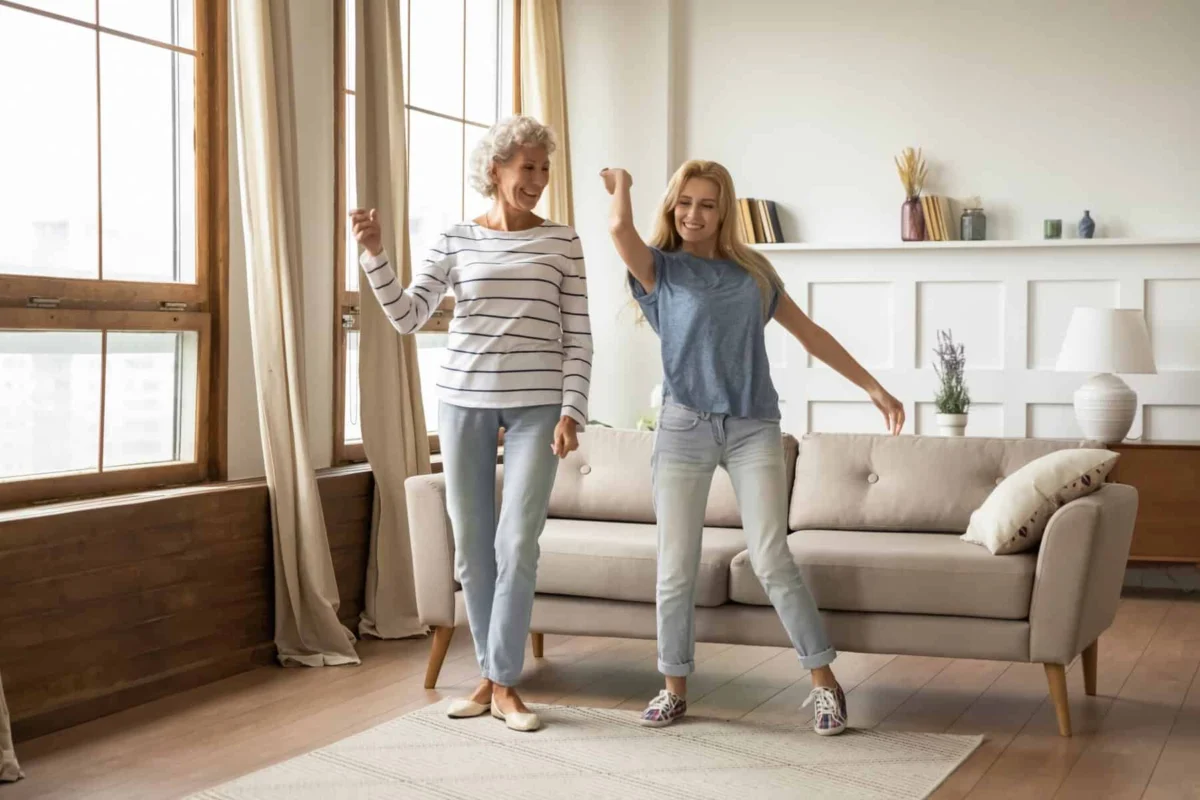
As the global population ages, the concept of "aging in place"—the ability to live in one’s own home and community safely, independently, and comfortably, regardless of age, income, or ability level—has moved from a niche preference to a national priority. Whether you are planning for your own future or modifying a home for an aging loved one, the transition toward a senior-friendly living space is an investment in dignity and autonomy.
Transforming a traditional house into a sanctuary for the golden years does not require a complete architectural overhaul. Instead, it is a strategic process of intentional design. By focusing on accessibility, safety, and ease of navigation, homeowners can preemptively address the physical challenges that often accompany aging.
The Core Philosophy: Universal Design vs. Senior-Friendly Spaces
While the terms are often used interchangeably, there is a distinct nuance between "universal design" and "senior-friendly" modifications. Universal design is the blueprint for creating spaces that are inherently accessible to all people, regardless of age or physical ability. Think of wide doorways, open floor plans, and flush thresholds as the standard.
Senior-friendly design takes these foundational principles and applies a targeted lens. It prioritizes fall prevention, high-contrast visibility, and the mitigation of specific physical limitations—such as reduced grip strength, diminished eyesight, and decreased balance. Together, these strategies ensure that a home remains a place of comfort rather than a source of anxiety.
Chronology of Home Modifications: Where to Start
For those looking to renovate, the process should be phased to minimize disruption and maximize impact.
Phase 1: The "Immediate Impact" Upgrades (Weeks 1-2)
Start with the "low-hanging fruit." These are high-impact, low-cost modifications that address the most common points of failure in a home:
- Hardware Swaps: Replace all round doorknobs and faucet handles with lever-style hardware. As grip strength diminishes due to arthritis or general aging, twisting a traditional knob becomes an unnecessary physical burden.
- Lighting Optimization: Audit every room. Replace burnt-out bulbs with high-lumen, energy-efficient LEDs. Add "layered lighting"—combining ambient overhead lights with task lighting in kitchens and bedside lamps—to eliminate dark corners that hide trip hazards.
- Decluttering Walkways: Remove throw rugs, loose cords, and excess furniture that impede natural paths through the home.
Phase 2: Structural Safety and Stabilization (Months 1-3)
Once the immediate hazards are addressed, move to structural stability:
- The Bathroom Overhaul: This is the most dangerous room in the house. Install grab bars near the toilet and inside the shower area. Ensure these are anchored into wall studs, as drywall alone cannot support an adult’s weight.
- Stairway Management: If a two-story layout is non-negotiable, install dual-sided handrails that extend beyond the top and bottom steps.
Phase 3: Long-term Accessibility (Long-term Planning)
This phase involves larger investments, such as converting a half-bath into a full curbless walk-in shower or installing a smart home ecosystem to manage climate, security, and lighting remotely.
Supporting Data: Why These Changes Matter
The urgency of home modification is backed by sobering statistics. According to the Centers for Disease Control and Prevention (CDC), one out of every four older adults experiences a fall each year. Falls are the leading cause of injury-related death among those aged 65 and older.
The bathroom, in particular, is a high-risk zone. Research indicates that over 80% of the approximately 235,000 annual emergency room visits related to bathroom injuries are the direct result of slips and falls. By simply installing non-slip mats, a shower bench, and a handheld showerhead, the risk profile of the entire household is significantly reduced.
Heather Loveridge, Executive Director of Home Repairs Ministries, notes that these interventions are about more than just physics. "Bathrooms can be the first place you notice accessibility challenges for an aging loved one," Loveridge explains. "The biggest improvements come from targeted, high-impact changes. These small shifts prevent falls, restore confidence, and help someone stay in the home they love for years to come."
The "Work Zone" Concept: Kitchen and Daily Living
Kitchen accessibility relies on the "Golden Triangle" of ergonomics: keeping the refrigerator, sink, and stove within easy reach while minimizing vertical movement.
- The Reach Zone: Move frequently used items, such as plates and dry goods, from low cabinets or high shelves to counter-level storage.
- Pull-out Solutions: Replace standard deep shelves with pull-out drawers or lazy Susans to ensure you can see and access contents without straining your back or knees.
- D-Pull Handles: Swap small cabinet knobs for large, D-shaped pulls that allow a user to open a drawer with a single finger or a closed fist.
The Role of Smart Technology in Modern Aging
Technology has become an essential pillar of modern senior-friendly design. Smart devices offer a "silent guardian" effect, providing security without intrusiveness.
- Voice-Activated Assistants: Smart speakers allow users to control lighting, lock doors, and set medication reminders using only their voice.
- Automated Lighting: Motion-sensor lights in hallways and bathrooms prevent the need to fumble for switches in the dark, drastically reducing fall risk during nighttime trips.
- Video Doorbells: These allow seniors to identify visitors before approaching the door, providing both safety and peace of mind.
Implications for Resale Value and Marketability
A common misconception is that "senior-friendly" equates to "clinical" or "unattractive." On the contrary, high-quality, accessible modifications often enhance a property’s market value. Features such as open-concept living, walk-in showers, and abundant, well-planned lighting are highly desired by buyers of all generations.
By investing in these upgrades, a homeowner is not just preparing for the future—they are creating a modern, functional living space that appeals to a broader demographic. When it comes time to sell, a home that is already "aged-in-place ready" saves the next buyer significant renovation costs, making it a standout listing in any market.
Quick Reference Checklist for Homeowners
| Feature | Standard Home Design | Senior-Friendly Alternative |
|---|---|---|
| Door Hardware | Round twist knobs | Lever-style handles |
| Switches | Toggle switches | Rocker switches |
| Bathroom | High-walled tub combo | Curbless walk-in shower with bench |
| Storage | Deep, dark shelving | Pull-out drawers/D-pulls |
| Hallways | 32-inch width | 36-inch width (wheelchair accessible) |
| Flooring | Slick tiles/thick rugs | Non-slip matte finish/secure flooring |
Final Considerations: The "Granny Pod" and ADUs
If your current home layout is fundamentally incompatible with accessibility needs, or if you need to be closer to family, consider the rise of Accessory Dwelling Units (ADUs), often referred to as "granny pods." These detached living units offer independent living space on the same property as a primary home. They allow for a ground-up design that is 100% accessible, providing the perfect balance between autonomy and proximity to caregivers.
Conclusion: A Proactive Approach to Living
The transition to a senior-friendly home should be viewed as an act of empowerment. By auditing your environment today, you are effectively buying yourself the freedom to live life on your own terms tomorrow. Whether you are in Seattle, Austin, or Miami, the principles remain the same: simplify the navigation, brighten the surroundings, and secure the hazards.
Taking a proactive approach to home safety doesn’t mean sacrificing the aesthetic of your house; it means ensuring that your home remains a sanctuary that supports your independence for the long haul. With thoughtful planning, your living space will continue to serve you, adapting to your needs as gracefully as you age.