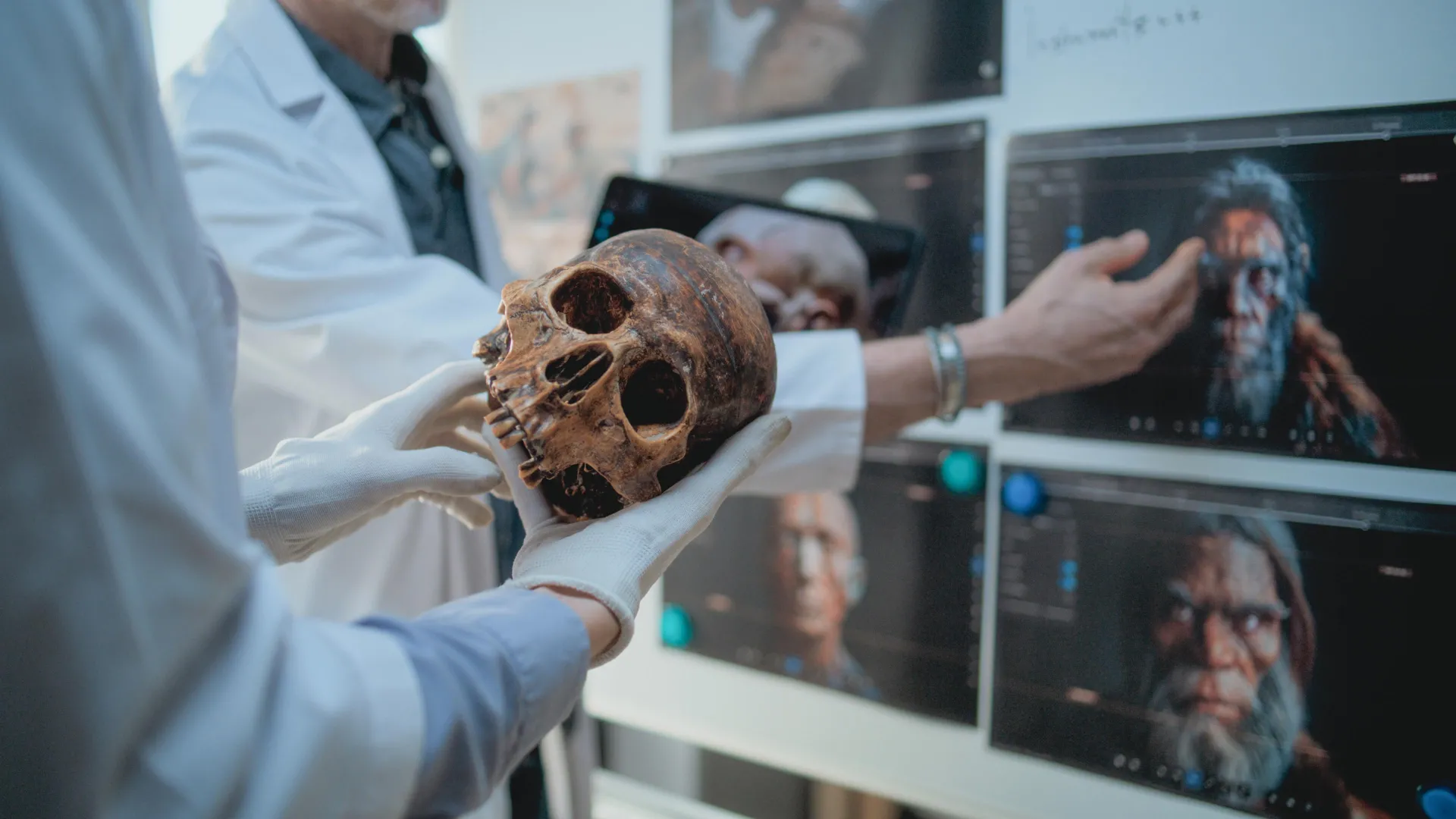
In a landmark advancement for human evolutionary biology, a comprehensive new study led by Yale University has unveiled a previously obscured chapter of the human story. By performing an exhaustive analysis of genetic diversity across Oceania, researchers have not only filled a glaring gap in the global genomic map but have also uncovered definitive proof that the DNA of extinct hominins—specifically the Denisovans—continues to act as a functional, vital component of modern human biology.
The study, published on June 11 in the journal Science, represents one of the most granular examinations of Oceanic genomes to date. By bridging the divide between ancient history and contemporary health, the Yale-led team has demonstrated that the "ghosts" of our evolutionary past are not merely static relics, but active participants in the immune responses and physiological development of people living in the South Pacific today.
The Genetic Blind Spot: Why Oceania Matters
For decades, the field of genomics has been heavily skewed toward populations of European ancestry. While this data has provided immense insight into specific medical conditions and historical migration patterns within Western cohorts, it has created a "genetic blind spot" regarding the rest of the world. This underrepresentation has profound implications, both for our understanding of human evolution and for the future of precision medicine.
"The drastic underrepresentation of Oceanians limits our understanding of human evolution and could exacerbate health inequalities as genomic research is used to develop novel medical treatments," explains Serena Tucci, the study’s lead author and an assistant professor of anthropology in Yale’s Faculty of Arts and Sciences.
As the principal investigator of the Yale Human Evolutionary Genomics Laboratory, Tucci has long advocated for a more inclusive approach to genetic mapping. By focusing on the South Pacific—a region of extraordinary, yet historically neglected, genetic diversity—the team sought to broaden the global perspective. Their mission was clear: to move beyond the traditional "Out of Africa" narrative and reconstruct the complex mosaic of human history, including the clandestine contributions of extinct hominin lineages.
Chronology: A Journey Across 45,000 Years
To understand the present, the research team had to look back to the initial human settlement of the Pacific. Archaeological and genetic evidence suggests that the first humans arrived in the region at least 45,000 years ago, navigating the treacherous waters of the Bismarck Archipelago and the Solomon Islands.
The researchers sequenced the genomes of 177 individuals from 12 distinct populations across Near Oceania. To provide a robust comparative framework, they integrated this new data with 1,284 previously published genomes from diverse populations worldwide.
The resulting map of human movement and interbreeding is far more complex than previously theorized. The study confirms that the ancestors of Near Oceanic populations did not encounter just one group of Denisovans, but interbred with at least three distinct, genetically divergent groups of these ancient hominins. This discovery shifts the paradigm of human evolution from a linear progression to a complex, branching web of interactions, where "extinct" groups survived through the integration of their genetic material into the lineage of Homo sapiens.
Supporting Data: The "Massively Parallel Reporter Assay"
The most innovative aspect of this study lies in its methodology. Historically, scientists have identified archaic DNA simply by comparing genetic markers. However, identifying a piece of DNA as "Denisovan" does not explain its function.
To bridge this gap, the Yale team employed a cutting-edge technique known as a "massively parallel reporter assay." This laboratory method allows researchers to test thousands of genetic variants simultaneously to observe how they influence gene expression—essentially, whether a specific piece of DNA turns a gene "on" or "off."
The analysis identified more than 3,100 variants inherited from extinct hominins that continue to alter gene expression in modern humans. This data provides the most significant evidence to date that Denisovan genetic material is not just "junk DNA" or a silent remnant, but a functional suite of instructions that the body utilizes to maintain homeostasis.
Official Perspectives: The Active Role of Archaic DNA
The findings represent a fundamental change in how we perceive our relationship with extinct human relatives.
"Previous studies showed that DNA inherited from extinct hominins, such as Neanderthals and Denisovans, survives, scattered, in the genomes of present-day human populations," Tucci noted. "With this study, we have moved beyond simply ‘resurrecting’ this DNA to showing how it actively turns genes on and off, which is game-changing. This DNA is not just a remnant of ancient liaisons; it continues to influence our biology today."
Patrick Reilly, the study’s first author and an associate research scientist at the Yale Human Evolutionary Genomics Laboratory, emphasized the environmental pressures that necessitated this genetic inheritance.
"DNA from extinct hominins—Denisovans and Neanderthals—helped facilitate human adaptation to diverse environments that people encountered as they migrated into this region of the world," Reilly stated. "Pathogens are one of the strongest selective pressures throughout human evolution. We find evidence that genes inherited from Denisovans bolstered immunity to viruses and bacteria ancient humans encountered in Near Oceania."
Implications: Immunity, Development, and Global Parallels
The study reveals that much of this inherited DNA is concentrated within the interferon-gamma signaling pathway. This pathway is a cornerstone of the human immune system, acting as an early-warning radar that coordinates the body’s defense against infectious diseases. By inheriting these variants, ancient settlers of the Pacific gained a distinct survival advantage, allowing them to adapt to the unique microbial landscape of the tropics.
Beyond immunity, the researchers discovered a surprising connection to skeletal development. The study pinpointed adaptive Denisovan variants in a gene known as TRPS1.
This specific gene’s role in skeletal health offers a fascinating look at "convergent evolution." The research team noted that the same TRPS1 gene has undergone strong positive selection in entirely different populations, including rainforest hunter-gatherers in central Africa and highland populations in Ecuador. This suggests that across disparate geographies and environments, evolution has repeatedly arrived at the same biological solution, utilizing similar genetic pathways to optimize physical development and survival.
A New Era for Genomic Equity
The implications of this research extend far beyond academia. By providing a more comprehensive look at the genetic architecture of Oceanic populations, the Yale team has provided a blueprint for how medical research should be conducted in the future.
If scientists only analyze the genomes of European populations, they will likely miss the unique functional variants—like those found in the interferon-gamma pathway—that are critical for the health of other global populations. As we move toward an era of personalized medicine, failing to include underrepresented groups in genomic studies could lead to treatments that are ineffective or even harmful to those with different genetic backgrounds.
The collaboration behind this study was as diverse as the populations it examined, involving researchers from the Yale School of Medicine, Binghamton University, Temple University, and the Papua New Guinea Institute for Medical Research. This international partnership underscores the necessity of a collaborative, global approach to understanding the human genome.
"While Denisovans vanished from the Earth thousands of years ago," Tucci concluded, "this research proves that our histories remain deeply intertwined."
As the scientific community digests these findings, the study stands as a testament to the fact that our biological identity is a living document. We are the sum of our ancestors—not just our Homo sapiens forebears, but the ancient groups they encountered, integrated, and carried forward into the 21st century. The study was supported by the National Institute of General Medical Sciences and the National Human Genome Research Institute of the National Institutes of Health, ensuring that this crucial work continues to shed light on the complexity of our shared human legacy.