The promise was clear: Audi’s next-generation electric vehicles would not only define the brand’s future but would serve as the definitive proof-of-concept for the Volkswagen Group’s ambitious "Scalable Systems Platform" (SSP). However, reality has proven far more cumbersome than the marketing brochures suggested. The highly anticipated electric Audi A4, a vehicle meant to signal a new era of German engineering, has been pushed back yet again, with production now slated for no earlier than March 2029.
This latest postponement is more than a simple scheduling conflict; it is a symptom of deep-seated technical and strategic friction within the Volkswagen Group. As Audi CEO Gernot Döllner navigates the fallout of this delay, the automotive world is left questioning the viability of the SSP architecture and the broader timeline for Volkswagen’s transition to a software-defined, electric future.
The Shrinking Horizon: A Chronology of Delays
The trajectory of the electric A4 has been defined by a series of missed targets and shifting goalposts. When the project was first conceived, it was positioned as the vanguard of Audi’s electrification strategy. Following the cessation of the internal combustion-powered A4 in 2024—effectively making way for the A5 lineage—the electric successor was supposed to provide a seamless transition for the brand’s most loyal customer base.
In October 2025, CEO Gernot Döllner set a target for a mid-2028 production start. That date, which was already viewed by many industry analysts as optimistic, has now been abandoned. The new March 2029 target represents a nine-month slip, but according to reports from the German publication Handelsblatt, even this date is fragile. Insiders suggest that technical hurdles could push the timeline into late April or early May 2029.
The irony of this delay is punctuated by the recent confidence expressed by Audi’s leadership. Only weeks before the latest correction, Chief Technical Officer Rouven Mohr publicly insisted that there was "no need to correct" the production timeline. That such a definitive statement was followed immediately by an admission of delay highlights the volatility of the development process within Ingolstadt and Wolfsburg.
The SSP Architecture: A "Holy Grail" Under Fire
To understand why the A4 E-Tron is lagging, one must look at the foundation upon which it is built: the Scalable Systems Platform (SSP). Announced in July 2021, the SSP was hailed as the "Holy Grail" of the Volkswagen Group’s electrification strategy. It was designed to consolidate the group’s disparate architectures—the volume-focused MEB platform (used for the Q4 E-Tron) and the high-performance 800-volt PPE platform (used for the A6 and Q6 E-Tron)—into a single, unified, highly efficient system.
The goal was to achieve massive economies of scale, allowing the group to produce everything from affordable city cars to luxury SUVs on a common technological backbone. However, five years later, the platform has yet to debut in a mass-production vehicle. The original deadline of 2026 has come and gone, and with the current target for the A4 E-Tron in 2029, the platform is effectively three years behind its initial schedule.
The 12V to 48V Pivot
The root of the current technical impasse is a fundamental architectural change. During the development process, the engineering teams made a critical decision to pivot the SSP’s onboard electrical system from the industry-standard 12-volt setup to a more robust 48-volt system.
While the 48-volt architecture offers significant advantages in terms of power delivery, efficiency, and the ability to handle the increasing demands of autonomous driving software and advanced infotainment, the implementation has been catastrophic for the timeline. This decision rippled through the entire supply chain, forcing a redesign of power distribution, components, and vehicle integration. For a platform intended to be modular and "scalable," this change acted as a major structural bottleneck that nobody had adequately budgeted for in terms of time or resources.
Strategic Consolidation: Scaling Back the Scope
In response to the mounting delays and ballooning development costs, the Volkswagen Group has significantly reduced the ambition of the SSP project. Initially, the plan called for eight distinct vehicle variants to be launched on the platform. That number has been cut in half to four.
Company officials describe this as a "strategic consolidation," focusing resources on the most profitable and high-volume segments. Critics, however, view it as a defensive maneuver necessitated by the company’s inability to execute on its original, expansive vision. This contraction suggests that the "one-size-fits-all" approach that underpinned the SSP may have been overly ambitious, leading to the "development friction" that CEO Döllner now cites as the primary cause for the delay.
Implications for the Brand and the Market
The delay of the A4 E-Tron creates a significant vacuum in Audi’s product portfolio. With the internal combustion A4 gone, customers who were waiting for a next-generation electric mid-size sedan are left with a prolonged wait.
For the remainder of the decade, Audi is effectively "bridging" its lineup with existing platforms. The MEB and PPE architectures, once thought to be interim solutions, have now been promoted to the "main" plan for the next several years. While these platforms are capable—as seen in the success of the Q6 E-Tron—they lack the cutting-edge, software-centric capabilities that were promised as the core value proposition of the SSP.
The Ripple Effect Across the Group
The A4 E-Tron is not the only casualty of the SSP’s sluggish development. Other high-profile projects are caught in the same slide:
- Electric Golf and T-Roc: These vital volume models for the Volkswagen brand face delays that could push their arrivals into 2030, threatening the company’s competitiveness in the entry-level EV space.
- Rivian Partnership: The much-hyped collaboration with American electric vehicle manufacturer Rivian, aimed at integrating advanced software and electronic architecture, is now described as arriving only "from the end of the decade."
This delay forces Audi to remain in a holding pattern. By the time the A4 E-Tron hits the market in 2029, the competitive landscape will look significantly different. New entrants from China, combined with the rapid advancements of Tesla and traditional rivals like BMW and Mercedes-Benz, will have moved the goalposts of what a premium EV represents.
Looking Ahead: Can Audi Recover?
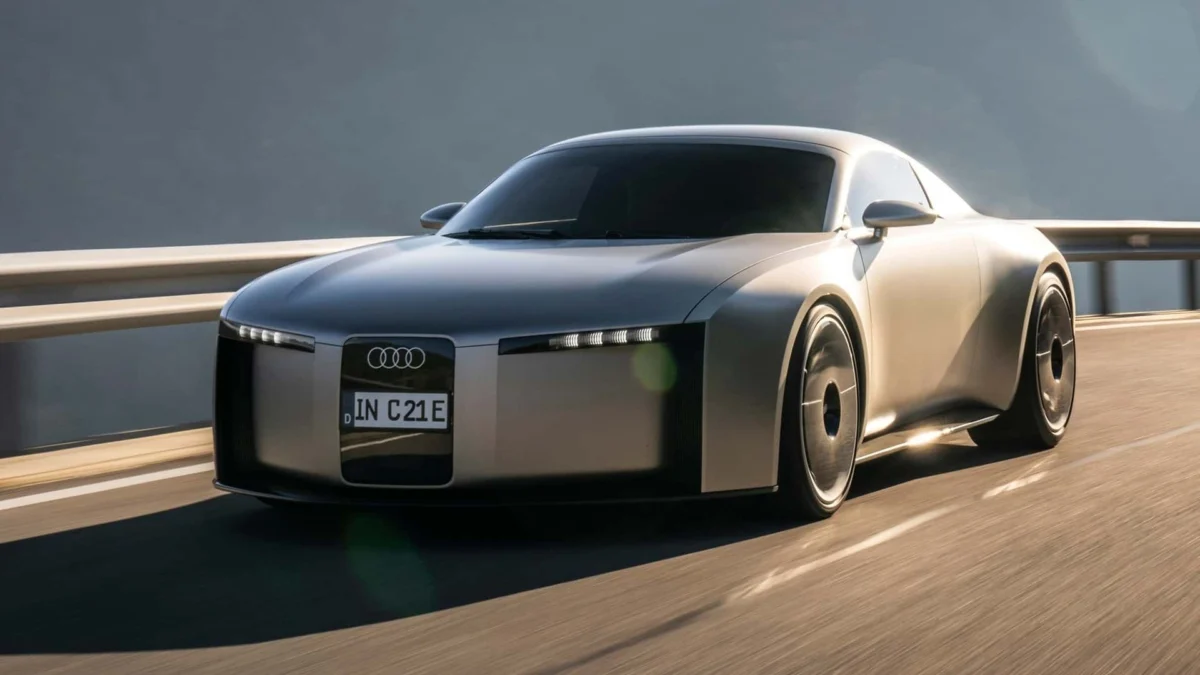
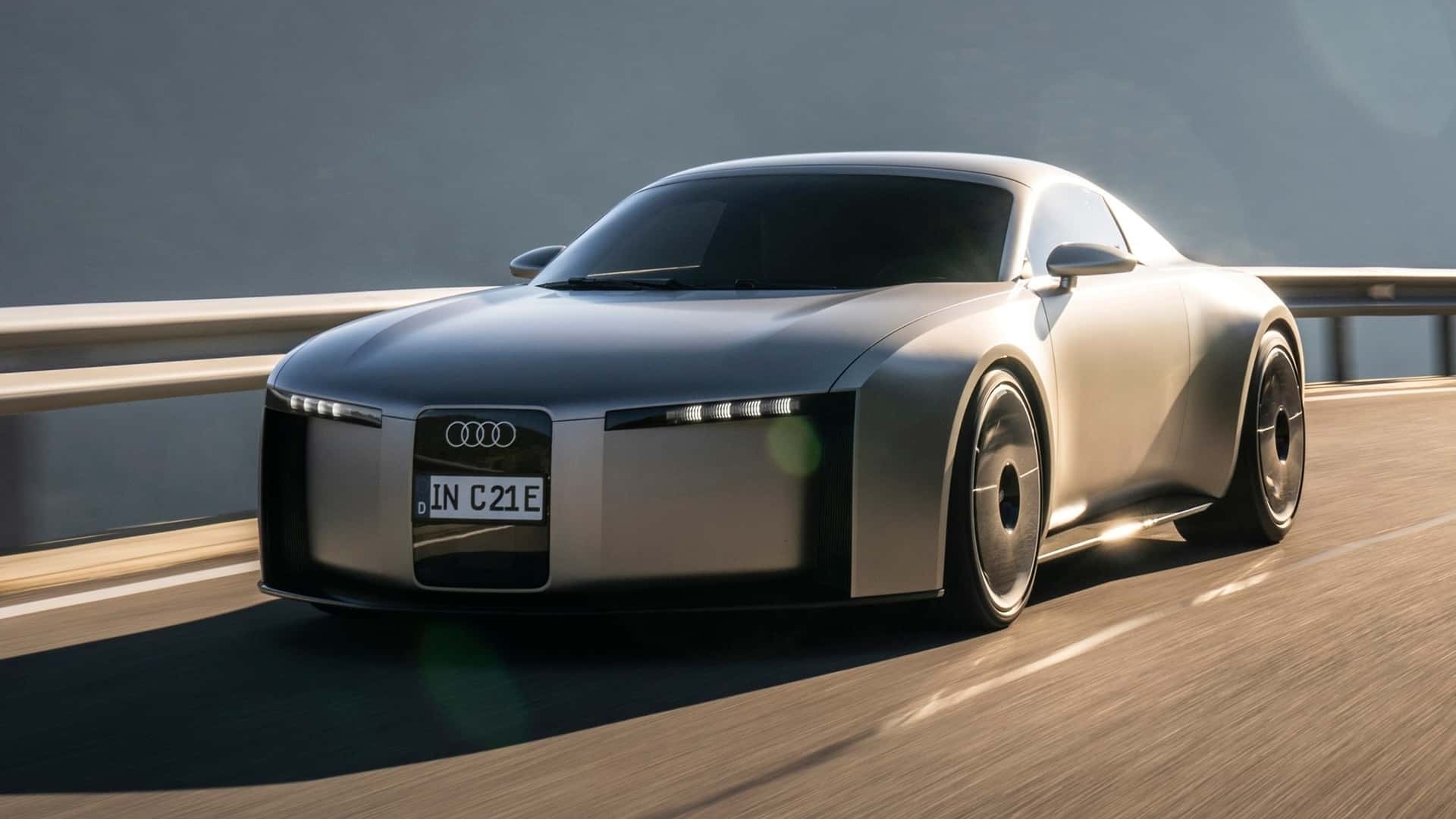
Despite the setbacks, CEO Gernot Döllner maintains that the A4 E-Tron remains a pivotal project for the brand. He insists that the delay does not represent a "rethink" of the vehicle itself. The design, heavily inspired by the well-received Concept C, is expected to remain consistent. The car will launch in both traditional saloon and practical Avant configurations, aiming to preserve the design language that has defined the A4 for decades.
However, the internal and external pressure on Audi is mounting. The brand must prove that it can transition to a software-first organization without losing the premium build quality that has sustained it for decades. The reliance on the SSP platform, while technically sound in theory, has become a liability in practice.
As the industry watches, the question is no longer just about the A4 E-Tron; it is about whether the Volkswagen Group can successfully navigate its way out of the "valley of death" between its legacy manufacturing strengths and the future of software-defined, 48-volt electric vehicles. If the 2029 date holds, Audi will have an impressive vehicle. If it slips further, the brand may find itself struggling to reclaim the ground lost to more agile competitors who were less burdened by the complexities of a unified, yet perpetually delayed, platform.
For now, the prospective buyers of an electric Audi A4 will have to wait—not just for the car, but to see if the promise of the SSP platform can ever truly be realized. The road to 2029 is long, and for Audi, it is paved with more than just good intentions; it is paved with the complexities of a transformation that has proven far more difficult than anyone in Wolfsburg or Ingolstadt originally dared to imagine.