Introduction: The Invisible Crisis
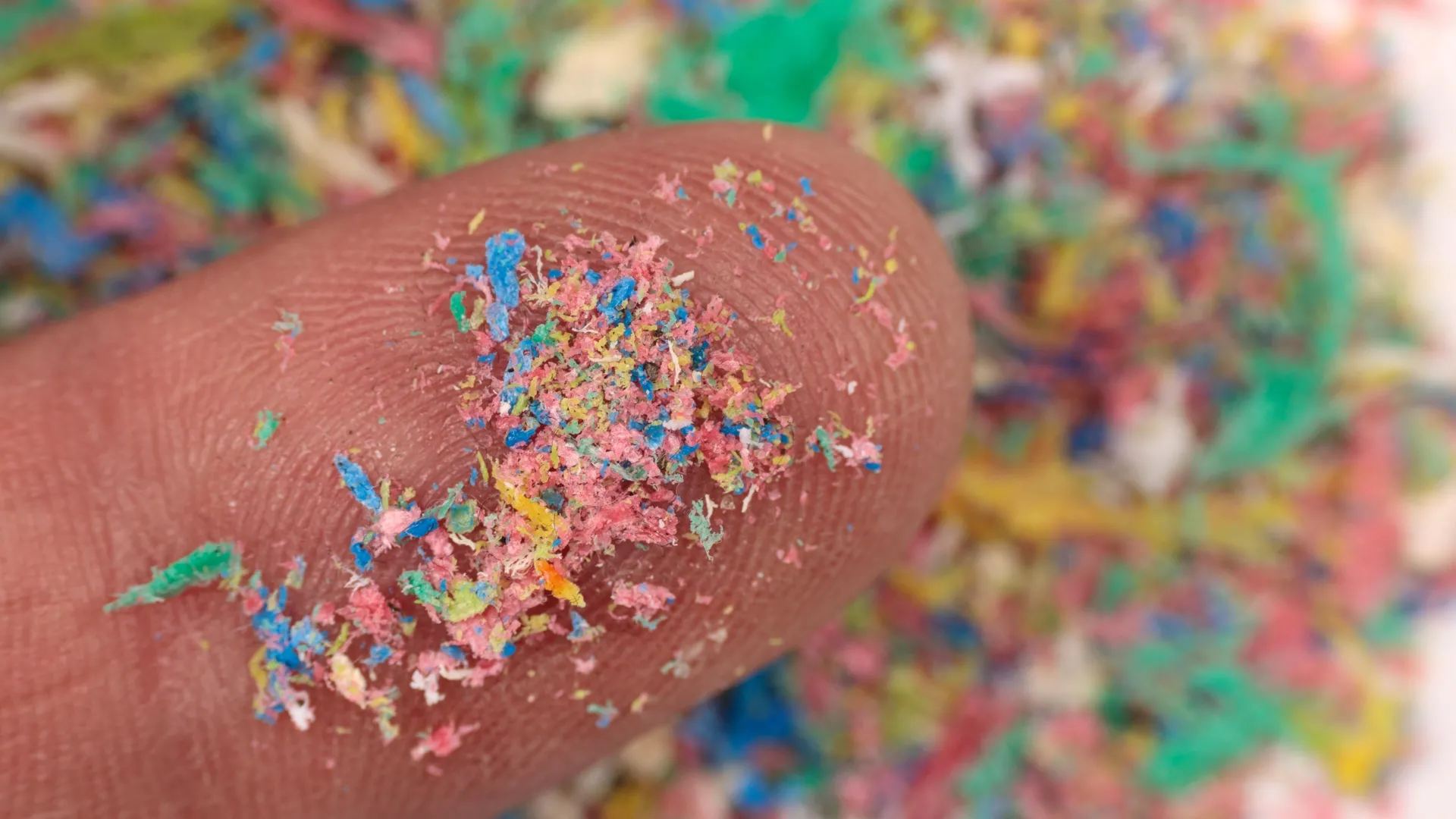
In an era where plastic pollution has infiltrated the most remote corners of the Earth—from the deepest ocean trenches to the peaks of the Himalayas—humanity is grappling with a more intimate threat: nanoplastics. These infinitesimal particles, measuring less than one micrometer in diameter, are the byproduct of degrading larger plastic debris. Because of their size, they are no longer just an environmental blight; they are a biological infiltrator, capable of breaching the human intestinal barrier and migrating into vital organs, including the kidneys and the brain.
However, a breakthrough study from the World Institute of Kimchi (WiKim)—a government-funded research organization under South Korea’s Ministry of Science and ICT—offers a glimmer of hope. Led by President Hae Choon Chang, the institute has discovered that a specific strain of lactic acid bacterium isolated from traditional kimchi possesses a remarkable ability to bind to nanoplastics within the digestive tract, effectively facilitating their excretion from the body.
The Anatomy of the Threat: Understanding Nanoplastics
To appreciate the significance of WiKim’s discovery, one must first understand the nature of the adversary. Nanoplastics are not merely "small plastic"; they are chemically complex particles that have been physically or chemically altered by environmental stressors like UV radiation, mechanical abrasion, and biological degradation.
Unlike microplastics, which are often large enough to be mechanically filtered or excreted, nanoplastics operate on a molecular scale. Once ingested via food or contaminated drinking water, their size allows them to translocate across the gastrointestinal tract’s mucosal lining. Once they enter the bloodstream or lymphatic system, they can accumulate in sensitive tissues. The long-term health impacts—ranging from inflammatory responses and cellular stress to potential neurotoxicity—are currently the subject of intense global scrutiny. Despite the gravity of the situation, biological strategies to mitigate this accumulation have remained largely experimental and underdeveloped until now.
Chronology of the Research: From Laboratory to Living Organism
The investigation into Leuconostoc mesenteroides CBA3656 was not an overnight success but a rigorous, multi-stage scientific undertaking conducted by a team led by Drs. Se Hee Lee and Tae Woong Whon at the World Institute of Kimchi.
Phase 1: In Vitro Baseline Testing
The research began by evaluating the adsorption capacity of various lactic acid bacteria against polystyrene nanoplastics (PS-NPs). The researchers first tested the strain CBA3656 under standard laboratory conditions to determine its binding affinity. The results were promising: the strain achieved an adsorption efficiency of 87%, matching or exceeding current industry standards for probiotic efficacy, such as the reference strain Latilactobacillus sakei CBA3608, which clocked in at 85%.
Phase 2: Simulated Gastrointestinal Stress Testing
Laboratory conditions rarely reflect the harsh reality of the human body. The human digestive tract is a high-stress environment defined by extreme pH fluctuations, bile salts, and digestive enzymes. When the research team subjected both the reference strain (CBA3608) and the kimchi-derived strain (CBA3656) to these simulated intestinal conditions, the results diverged sharply.
The reference strain, which performed well in the lab, saw its adsorption rate plummet to a mere 3%. In contrast, the CBA3656 strain demonstrated remarkable resilience, maintaining an adsorption level of 57%. This discovery was the "Eureka" moment of the study: it suggested that the kimchi-derived bacteria were not just efficient, but uniquely equipped to survive and function within the biological context of the human gut.
Phase 3: In Vivo Validation
Following the success of the simulated tests, the team moved to an animal model. Utilizing germ-free mice, researchers administered the CBA3656 strain to one group while leaving a control group untreated. Upon analyzing the feces of the mice, the results were definitive: the group that received the kimchi-derived probiotics exhibited a more than twofold increase in the concentration of nanoplastics compared to the control group. This provided the "smoking gun" evidence that the bacteria were indeed binding to the particles and shuttling them out of the system before they could be absorbed by the host.
Supporting Data: Why CBA3656 Stands Out
The efficacy of Leuconostoc mesenteroides CBA3656 is rooted in its surface chemistry. In the competitive world of probiotics, bacteria must possess specific cell-surface proteins or polysaccharides that act as "magnets" for pollutants.
The data suggests that the evolutionary history of kimchi—a food designed for long-term preservation and high-intensity fermentation—has forced these bacteria to adapt to complex chemical environments. By binding to polystyrene, the CBA3656 strain effectively neutralizes the nanoplastic’s mobility. Because the bacteria remain in the gut and are eventually expelled, they act as a biological "sponge" or "mop," clearing out synthetic debris that the human body otherwise lacks the mechanism to eliminate.
| Strain | Lab Adsorption (%) | Simulated Gut Adsorption (%) |
|---|---|---|
| L. sakei CBA3608 (Reference) | 85% | 3% |
| L. mesenteroides CBA3656 (Kimchi) | 87% | 57% |
Official Responses and Expert Commentary
Dr. Sehee Lee, the lead researcher of the study, emphasized the broader implications of the findings. "Plastic pollution is increasingly recognized not only as an environmental issue but also as a public health concern," Dr. Lee stated during the announcement. "Our findings suggest that microorganisms derived from traditional fermented foods could represent a new biological approach to address this emerging challenge."
The World Institute of Kimchi has positioned this research as part of a larger mandate: to demonstrate that kimchi is not just a cultural staple, but a repository of biological resources with massive potential for biotechnology. The institute’s leadership, including President Hae Choon Chang, has committed to further expanding the scientific profile of kimchi-derived microbial resources, viewing them as a frontline defense in the intersection of nutrition and environmental health.
Implications: The Future of Probiotics and Public Health
The potential applications of this research are vast. If these findings hold true in clinical trials involving humans, we could be looking at a future where "functional foods" are specifically designed to detoxify the human body of environmental pollutants.
1. Probiotic Supplements for High-Risk Populations
Individuals living in areas with high levels of water or air pollution—which often correlate with higher micro/nanoplastic intake—could benefit from targeted probiotic regimens containing strains like CBA3656.
2. A New Paradigm for Food Safety
Rather than merely focusing on removing plastics from the environment (a gargantuan, perhaps impossible task), this research suggests a shift toward internal mitigation. By reinforcing the gut microbiome with protective, pollutant-binding bacteria, we may be able to reduce the systemic burden of synthetic particles.
3. Economic and Cultural Recognition of Kimchi
This study elevates the status of kimchi from a traditional fermented dish to a critical biological asset. It underscores the importance of preserving traditional microbial diversity, as modern, industrialized diets often lack the variety of microbes found in traditional fermented foods—microbes that have co-evolved with humans for centuries.
Challenges and Future Research
While the findings are groundbreaking, the research team is cautious. Moving from germ-free mouse models to human clinical trials requires addressing several variables:
- Dietary Interactions: How does the presence of other foods affect the binding efficiency of CBA3656?
- Long-term Colonization: Can this strain become a permanent or semi-permanent resident of the human gut, or is continuous consumption required?
- Safety Profiles: Rigorous testing for potential secondary metabolic effects in the human digestive system is the next logical step.
The team at WiKim has already signaled their intent to continue this work. Their research roadmap includes investigating the interaction of these bacteria with other types of plastic polymers, as well as exploring whether the bacteria can be integrated into food products without losing their binding efficiency.
Conclusion: A Traditional Solution for a Modern Problem
The discovery that a humble bacterium found in a traditional Korean side dish could help cleanse the human body of the most pervasive pollutant of the 21st century is a testament to the power of nature. As we continue to pollute our world with synthetic materials, the answer may not lie in more synthetic solutions, but in the microscopic organisms that have thrived alongside us for generations.
The World Institute of Kimchi has effectively opened a new front in the battle against plastic pollution. By transforming the gut into a site of active detoxification, the CBA3656 strain represents a beacon of hope. As Dr. Lee and his team continue their work, the world will be watching—not just to see if kimchi can improve our digestion, but to see if it can save our health in an increasingly plastic-choked world.
For now, the science is clear: the road to a cleaner future may begin in the fermentation jar. As the research matures, we may find that the most effective way to combat the plastic age is to look backward at the ancient, beneficial microbes that have always been part of our diet.