By [Your Name/Journalistic Staff]
September 16, 2026
As the dust settles on a challenging 2026 World Cup campaign, the U.S. Men’s National Team (USMNT) is officially turning the page. Head coach Mauricio Pochettino, tasked with the monumental challenge of architecting the squad for the 2030 cycle, is set to unveil a roster that signals a definitive shift toward the future. CBS Sports sources have confirmed that the upcoming fall friendlies will serve as a laboratory for the next generation of American talent, with a wave of teenage prospects poised to earn their first senior caps.
The Vanguard of the Future: Key Call-ups and Rising Stars
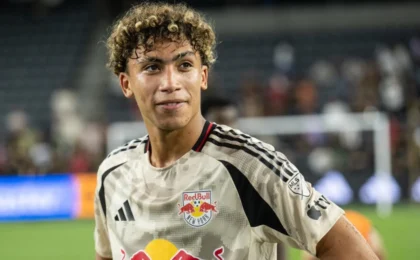
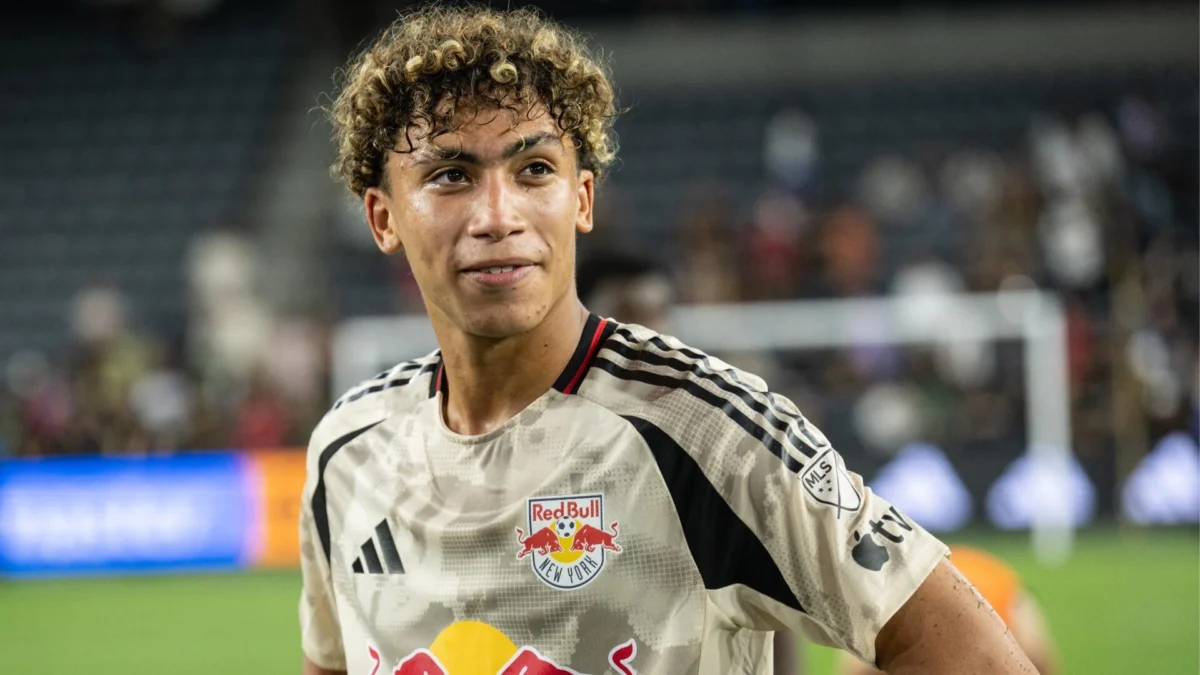
The headline of the impending roster announcement is undoubtedly the inclusion of Red Bull New York’s breakout star, Julian Hall. The 18-year-old attacker, an academy success story, has been a revelation in Major League Soccer this season, tallying 12 goals and three assists in 27 appearances across all competitions. Hall’s inclusion is a testament to his rapid maturation; while he has featured for the U.S. at the U-15 and U-17 levels, this marks his maiden voyage with the senior team.
Hall is not alone in this youth-led revolution. He will be joined by club teammate Adri Mehmeti, further cementing the Red Bulls’ reputation as a factory for national team talent. Furthermore, the roster will feature Philadelphia Union prodigy Cavan Sullivan—a name long touted as the crown jewel of the American pipeline—alongside defensive prospect Neil Pierre.
The youth movement extends across the entire pitch. Pochettino’s 26-man squad is expected to be one of the youngest in recent memory. Reports indicate the inclusion of goalkeeper Diego Kochen, defenders Peyton Miller and Frankie Westfield, midfielders Matias Albert and Brooklyn Raines, and forwards Zavier Gozo and Justin Ellis. Supplementing these teenagers is 25-year-old goalkeeper Brian Schwake, who is in contention for his first international appearance.
Chronology: The Road to the 2030 World Cup
The transition began the moment the final whistle blew on the 2026 World Cup. Following the tournament, the USMNT entered a period of introspection and structural evaluation.
- Mid-Summer 2026: Following the World Cup, Mauricio Pochettino emphasized the need for a "new start," signaling that the door was wide open for domestic-based talents who had previously been on the periphery of the senior setup.
- Early September 2026: Pochettino confirms a player pool expansion to approximately 100 individuals, setting the stage for the roster selection.
- Mid-September 2026: Reports surface regarding the selection of the "next gen" prospects, including Sullivan, Hall, and Pierre.
- Thursday, September 17, 2026: The official roster is scheduled for public release, confirming the blend of veterans and debutants.
- September 26, 2026: The USMNT kicks off its fall friendly slate against Peru, marking the first time these young talents will don the senior kit in a match setting.
Supporting Data: Balancing Youth with Essential Experience
While the infusion of youth is the narrative focus, Pochettino is keenly aware of the dangers of an entirely inexperienced side. The coach has maintained that the transition must be managed with a "mix" of veteran stability.
Consequently, the roster will be anchored by established figures. Goalkeeper Matt Freese, who held the starting position during the 2026 World Cup, is expected to be present to provide continuity at the back. Midfielder Yunus Musah, a battle-tested veteran of the 2022 campaign, will provide the technical backbone and leadership necessary to guide the newcomers through the pressures of international football.

However, notable by his absence will be talisman Christian Pulisic. Still recovering from a microfracture sustained during the World Cup, Pulisic remains on a managed return-to-play protocol with AC Milan. While he recently made two substitute appearances and provided a crucial assist in a 2-2 draw against Lazio, the coaching staff has deemed it prudent to allow him to regain full fitness at the club level rather than risking him in high-intensity friendlies.
Official Responses: Pochettino’s Philosophy on Development
In his remarks last week, Mauricio Pochettino offered a window into his tactical and psychological approach for the next four years. He acknowledged the daunting nature of international football but expressed confidence in the current talent pool.
"I think our idea is we are going to do a mix of experienced players and young players that can fit together," Pochettino explained. "We are watching how the young kids start to manage the pressure to play in the first team. It’s tough, but it’s important now to have this pool of a lot of players because I think players can evolve from one month to another, six months, one year, and it’s important to keep that connection."
Pochettino’s philosophy centers on "managed pressure." He recognizes that while the talent is undeniable, the mental transition from academy or club soccer to the high-stakes environment of the USMNT requires a scaffold of support. By inviting players to train and compete alongside the likes of Musah and Freese, the staff aims to accelerate the learning curve.
Implications: What This Means for the USMNT
The decision to cap-tie—or at least integrate—youngsters like Julian Hall is of particular strategic importance. Because Hall is eligible for Poland through his mother, his involvement with the USMNT is a significant step, though he will not be officially cap-tied until he appears in an official competitive match. This roster selection acts as both a recruitment tool and a trial by fire.
The upcoming slate of friendlies is an ambitious gauntlet:
- September 26: vs. Peru
- September 29: vs. Chile
- October 3: vs. Mexico
- October 6: vs. Canada
These matches represent more than just exhibition games; they are the crucible in which the 2030 World Cup squad will be forged. Facing high-quality opposition like Mexico and Canada provides a realistic benchmark for the newcomers. If these players can withstand the intensity of a rivalry match against El Tri, it will confirm that the USMNT’s pipeline is not just deep, but resilient.
For the supporters, the next month will be a period of discovery. The focus shifts from the legacy of the 2026 squad to the potential of the 2030 generation. Pochettino has made his intent clear: the era of reliance on a single core is over. In its place is a meritocratic, evolving, and aggressively youthful approach to the global game. As the USMNT prepares to face Peru later this month, the message from the training ground is clear—the future has arrived, and it is ready to be tested.