For the modern professional, the intersection of travel and labor has long been a source of friction. The romanticized image of a digital nomad—laptop open on a pristine beach—frequently clashes with the gritty reality of the lifestyle: unstable Wi-Fi, the ergonomic nightmare of hostel stools, and the pervasive loneliness that often accompanies working from a different city every month.
As the global workforce continues to embrace location independence in the post-pandemic era, a new solution has emerged. Coliving platforms, spearheaded by companies like Outsite, are bridging the gap between the nomadic lifestyle and the need for professional, high-performance environments. By blending the utility of a dedicated office with the communal social fabric of a boutique hostel, these spaces are fundamentally altering how we perceive the "office."
The Genesis of the Modern Remote Work Struggle
The primary hurdle for the early generation of digital nomads was fragmentation. To be productive, one required a reliable workspace, high-speed internet, and a quiet environment. To be a traveler, one sought community and cultural immersion. Rarely did these two needs align in a single, affordable location.
For years, the status quo involved the "Airbnb Gamble." Travelers would book a private apartment, trusting the host’s claim of "high-speed internet," only to arrive and find that the connection was insufficient for video conferencing. Alternatively, they would resort to local cafes, which, while vibrant, lacked the professional infrastructure—such as external monitors, ergonomic chairs, and privacy—necessary for a full eight-hour workday. The result was a burnout cycle where the traveler felt neither fully immersed in their destination nor fully engaged with their professional obligations.
Outsite: A Case Study in Specialized Infrastructure
Founded in 2015, Outsite entered the market with a singular focus: to create a network of homes that cater specifically to the professional needs of the location-independent worker. What began as a single house in Santa Cruz, California, tailored to surfers and tech entrepreneurs, has since ballooned into a global network boasting over 50 locations and 5,000 members.
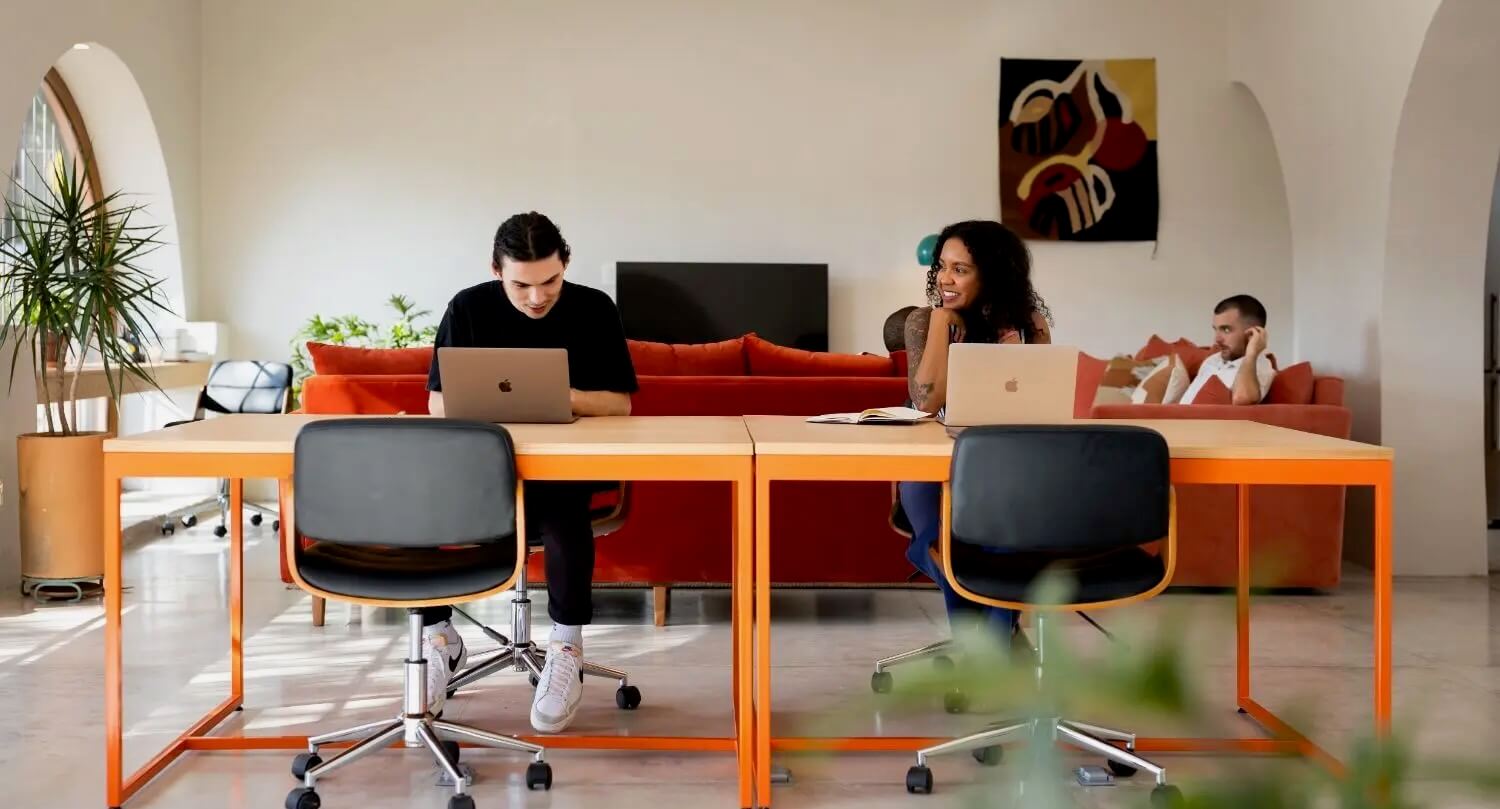
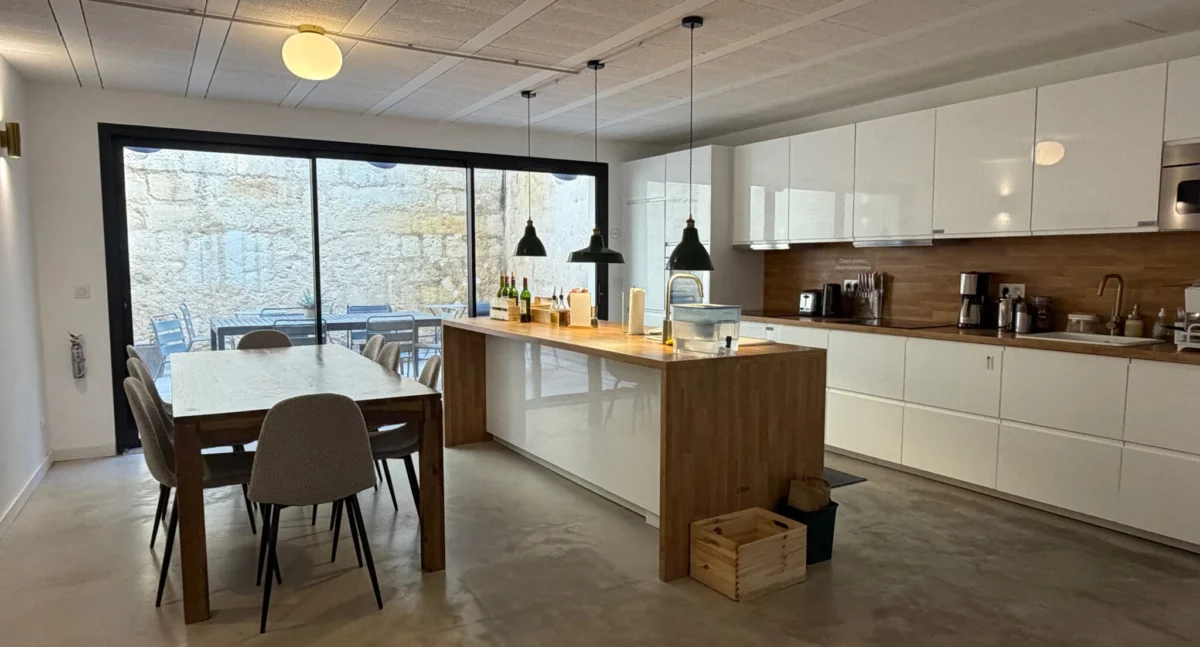
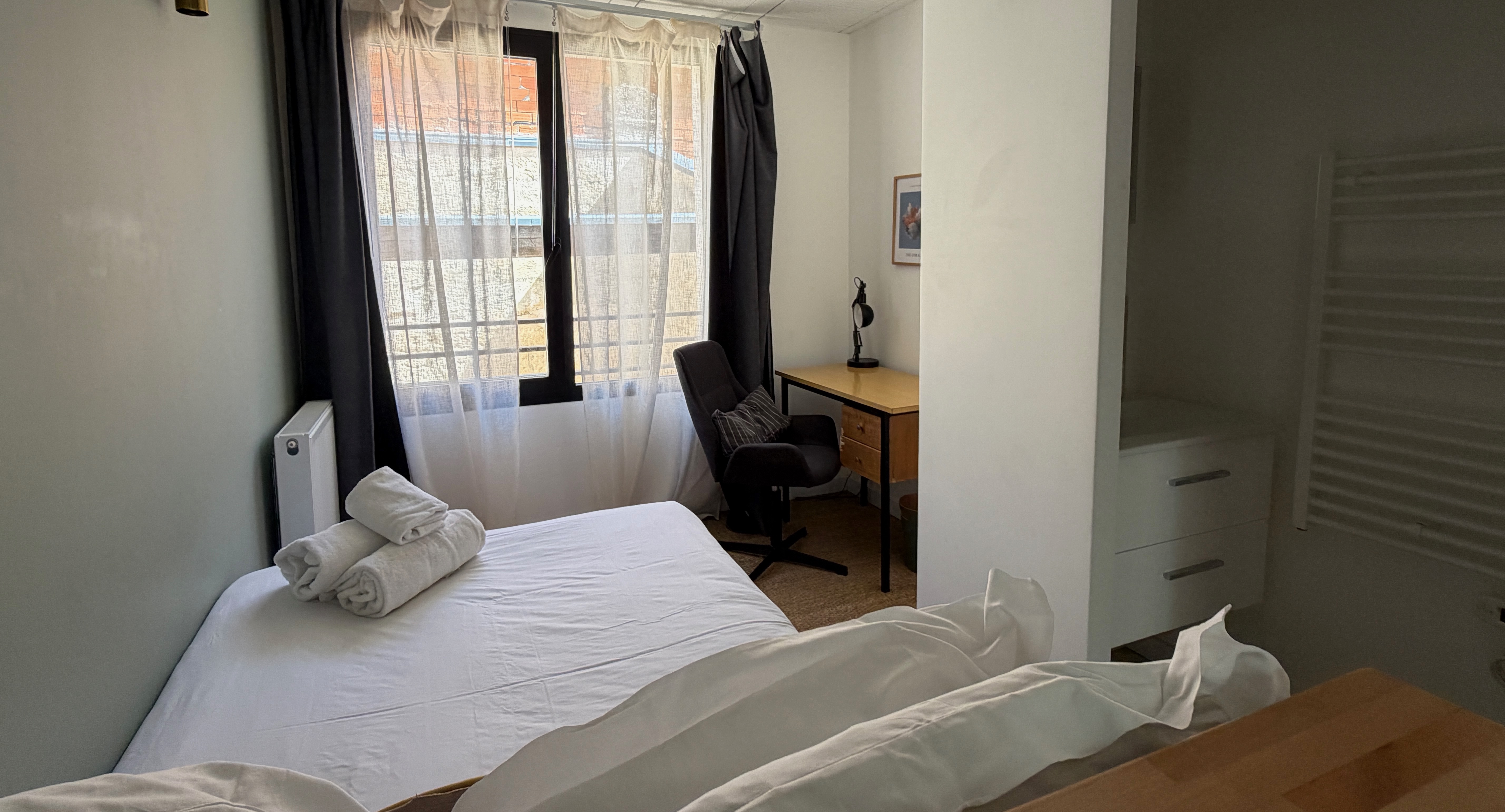
The platform functions as a hybrid model. It offers the privacy of a hotel—each guest typically secures a private bedroom with access to communal, high-end kitchen facilities and living areas—coupled with the infrastructure of a professional coworking space. In Outsite properties, the office is not an afterthought; it is an integrated feature. Every house is equipped with enterprise-grade Wi-Fi, ergonomic furniture, and dedicated zones for "deep work," allowing members to transition from their morning coffee to a high-stakes conference call within minutes.
Chronology of a Digital Nomad Stay
To understand the efficacy of this model, one must look at the user experience. A recent stay at the Outsite location in Bordeaux, France, illustrates the shift in the nomadic workflow.
- Pre-Arrival: Unlike traditional lodging, the journey begins before check-in. Guests are integrated into a digital community via messaging platforms like WhatsApp. This provides an immediate sense of belonging and allows for the coordination of arrivals and logistics.
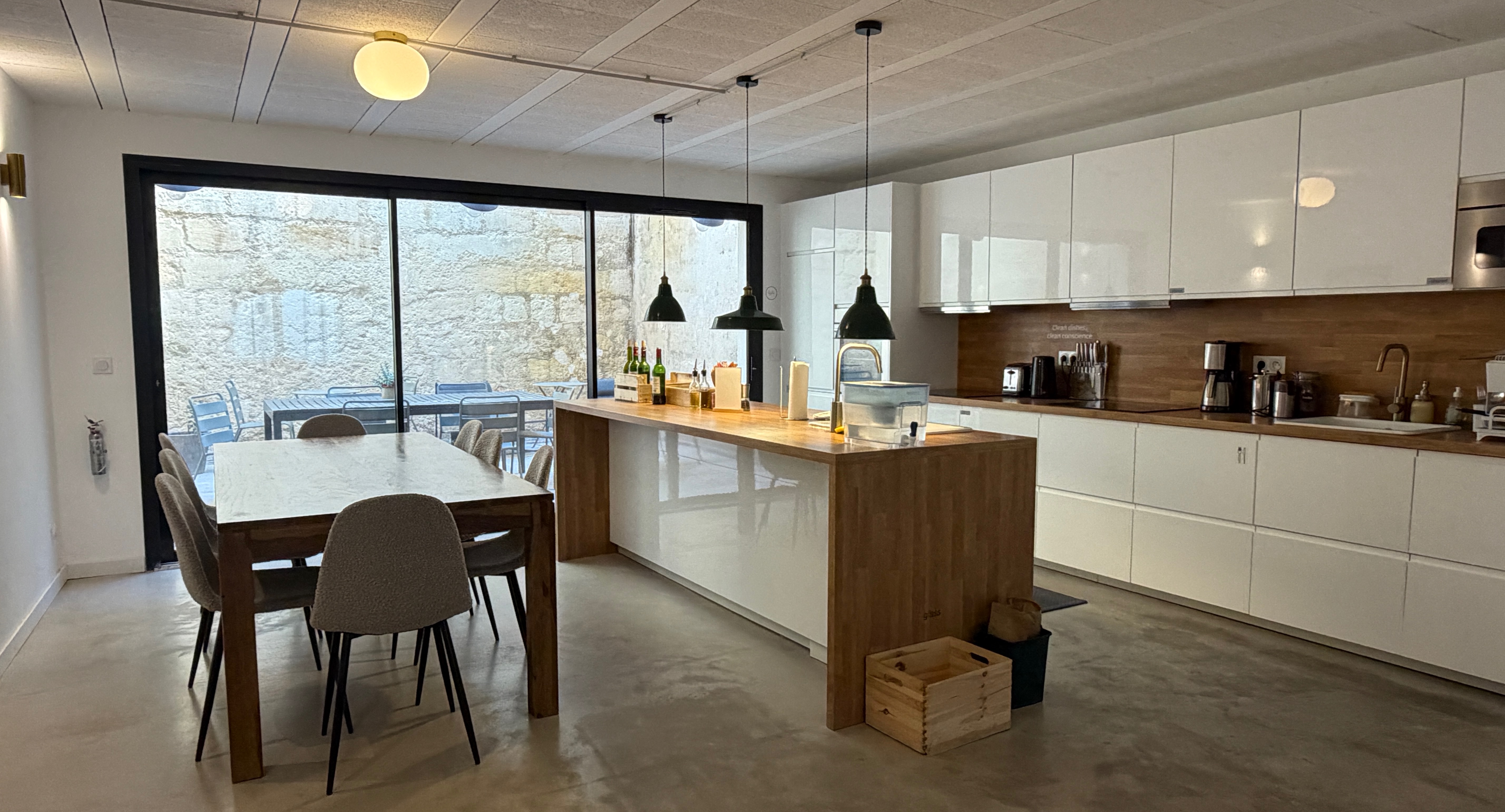
- The First 24 Hours: Upon arrival, the transition is seamless. The presence of a dedicated Community Manager ensures that the guest is oriented not just to the house, but to the neighborhood.
- The Work Week: Daily life is structured around the "work-play" balance. Mornings are designated for productivity in the on-site coworking hub. Because the space is shared with other professionals, there is an unspoken "code of conduct" regarding noise and focus, a far cry from the unpredictable atmosphere of a public library or coffee shop.
- The Evening Social: As the workday concludes, the house transforms. Community managers facilitate events—ranging from family-style dinners and weekend excursions to yoga sessions. This addresses the "isolation crisis" inherent in remote work, providing a built-in network of peers who share similar professional backgrounds and life trajectories.
Supporting Data and Membership Economics
The economics of coliving shift the focus from "cheap nightly rates" to "total cost of productivity." While a budget hostel in Southeast Asia might cost $15 per night, it lacks the professional amenities required for a remote career.
Outsite operates on a tiered structure. While non-members can book stays, the platform encourages membership via a $199 annual fee or a $499 lifetime fee. The benefits are significant: access to members-only properties, preferential rates (often 40% off for extended stays), and priority booking for high-demand locations.
When a professional calculates the combined cost of a private Airbnb rental plus a monthly membership to a third-party coworking space, the Outsite model frequently proves to be the more cost-effective and convenient alternative. The "premium" price is, in reality, a bundled cost of living and working that eliminates the overhead of managing two separate contracts.
Official Perspectives on the Coliving Boom
Industry analysts note that the rise of coliving is a direct response to the "loneliness epidemic" among remote workers. According to surveys conducted within the digital nomad community, social isolation remains the number one complaint among those who travel solo.
Outsite’s management has emphasized that their goal is not to compete with luxury hotels, but to offer a "curated" lifestyle. By carefully selecting members and maintaining a professional environment, they ensure that the community remains focused on mutual growth and professional development rather than mere tourism.
The company’s growth trajectory—expanding from a niche surf-work house to a global network—reflects a broader demographic shift. The average age of an Outsite member is between 28 and 45, comprising skilled professionals, software developers, entrepreneurs, and consultants. These are individuals who have "outgrown" the typical party-hostel environment and are looking for a consistent, high-quality living standard that does not hinder their career progression.
Implications for the Future of Work
The proliferation of platforms like Outsite signals that "remote work" is entering a second phase. The first phase was characterized by the scramble to find any connection and any desk. The second phase, which we are now entering, is defined by the integration of professional infrastructure into the travel experience.
The Professionalization of Nomadism
As more companies move toward permanent remote or hybrid models, the stigma once associated with working from a "home base" abroad is vanishing. This has created a secondary market for specialized housing that guarantees high-speed internet and quiet zones. We can expect to see an increase in the professionalization of these spaces, with higher standards for ergonomic design and even more robust networking opportunities for cross-industry collaboration.
Urban Planning and Local Integration
One of the most significant implications of this trend is how digital nomads interact with their host cities. Because Outsite locations often require longer stays (or encourage them via discounts), residents are less likely to behave like "tourists" and more like temporary citizens. This shift encourages deeper engagement with local culture, commerce, and community, moving away from the superficiality of short-term vacation rentals.
Limitations and Considerations
It is important to acknowledge that this lifestyle is not for everyone. The reliance on shared living spaces means that those who crave total privacy or who own pets may find these environments restrictive. Additionally, the high demand for popular locations—such as Lisbon in the summer or Costa Rica in the winter—means that the spontaneity of the nomadic life is somewhat curtailed by the need to book months in advance.
Conclusion: Finding Your Tribe
The digital nomad life, once a fringe experiment, has become a viable, long-term career path. However, it requires intentionality. The "work from anywhere" promise is only as good as the infrastructure that supports it.
Platforms like Outsite demonstrate that the future of work is not just about having a laptop; it is about having a community and a workspace that respects your need for both productivity and social connection. For the professional who refuses to choose between a successful career and a life of adventure, the era of "hunching over a hostel table" is officially over. In its place, a new, more sustainable, and more connected way of living has taken root—one where you can indeed find your tribe, wherever in the world you happen to be.