For over a century and a half, the Mediterranean Sea has held a secret beneath its azure surface—a secret that occasionally breaches the silence of the deep. While the great white shark (Carcharodon carcharias) is perhaps the most iconic predator in the global ocean, its status within Mediterranean waters has long been shrouded in mystery. Often dismissed as a transient visitor or a relic of the past, the species remains an enigma to marine biologists. However, a chance encounter in the spring of 2023 has reignited a massive scientific effort to categorize, understand, and protect these elusive apex predators.
A Chance Encounter: The Catalyst for Discovery
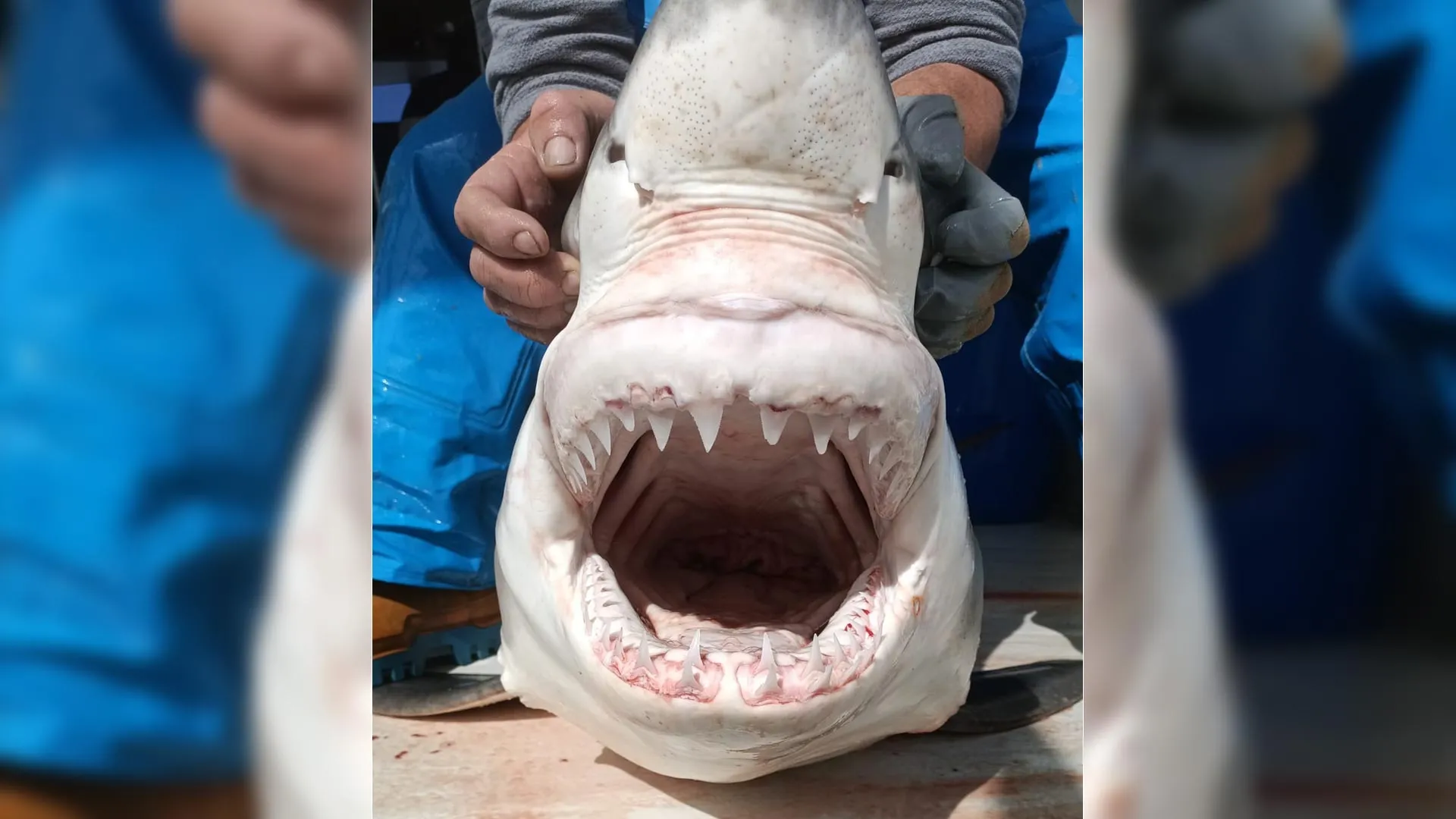
On April 20, 2023, the quiet rhythm of the eastern Spanish peninsula’s fishing industry was interrupted by an extraordinary event. Local fishermen, hauling in their nets, discovered a juvenile great white shark entangled in their catch. The specimen, measuring approximately 210 centimeters (nearly 7 feet) and weighing between 80 and 90 kilograms (176 to 198 pounds), was a rare sight indeed.
In the world of marine biology, the capture of a juvenile is far more significant than the sighting of an adult. While large, migratory sharks can cover thousands of miles, crossing ocean basins with ease, a young shark—only recently transitioned from its pup stage—suggests a much more localized history. This accidental encounter acted as a catalyst, prompting a team of dedicated researchers to dive into 160 years of historical data to determine what this young predator meant for the health and status of the Mediterranean population.
Chronology of a "Ghost" Population: 1862–2023
The resulting study, published in the open-access journal Acta Ichthyologica et Piscatoria, represents the most comprehensive review of great white shark occurrences in the region to date. By synthesizing records from 1862 through 2023, researchers have pieced together a fragmented, yet compelling, mosaic of the species’ presence.
The Historical Record
- The 19th Century Foundations: Records dating back to the mid-1800s indicate that the great white was never a stranger to these waters, though sightings were always sporadic. Early records relied heavily on incidental captures and rare encounters by commercial vessels.
- The 20th Century Fluctuations: Throughout the 1900s, as industrial fishing expanded, the reporting of such "charismatic megafauna" became more formalized. However, the data remained patchy, reflecting the lack of standardized monitoring programs.
- The Modern Era: The 21st century has brought both increased technological surveillance and a decline in overall shark populations. The recent 2023 finding serves as the latest data point in a long, thinning line of evidence that the Mediterranean is not merely a corridor for the species, but a habitat they have occupied for generations.
Researchers have dubbed this the "ghost" population. Like a phantom, the great white shark in the Mediterranean is rarely seen, difficult to track, and often dismissed by those who believe the population has been extirpated. Yet, the data confirms their persistence; they are present, albeit in numbers that evade standard census methods.
Supporting Data: The Case for a Breeding Ground
The core of the recent study hinges on a pivotal question: Are these sharks just passing through, or do they call the Mediterranean home?
Dr. José Carlos Báez, the study’s lead researcher, emphasizes that the juvenile status of the April 2023 specimen is the "smoking gun" for potential reproduction. "Determining the presence of juvenile individuals is of particular importance," Dr. Báez explains. "The occurrence of juvenile specimens raises the question of whether active reproduction may be occurring in the region."
If a nursery area exists within the Mediterranean, it would fundamentally alter our understanding of the species’ conservation. Currently, the great white shark is listed as Vulnerable on the International Union for Conservation of Nature (IUCN) Red List. If the Mediterranean provides a viable breeding ground, it elevates the importance of these waters from a simple transit zone to a critical conservation sanctuary.
Scientific and Official Perspectives: Challenging the "Menace" Narrative
The public perception of the great white shark has been largely shaped by cinema and sensationalist media, which often portray the animal as a bloodthirsty menace. Dr. Báez and his team are working to dismantle this narrative, replacing fear with biological literacy.
The Philosophy of Fear
Citing the legendary horror writer H.P. Lovecraft, Dr. Báez notes: "The oldest and strongest emotion of mankind is fear, and the oldest and strongest kind of fear is fear of the unknown."
For decades, the mystery surrounding the Mediterranean great white has allowed myths to flourish. By applying rigorous scientific inquiry, the research team aims to demystify the animal. They argue that the great white is not an intruder in the Mediterranean, but a vital component of a complex, interconnected marine system. The team advocates for a shift in perspective—moving away from viewing the shark as a danger and toward recognizing it as a key ecological player.
The Need for Long-Term Monitoring
The study underscores the inadequacy of current observation methods. Relying on "chance encounters" with fishing vessels is no longer a sustainable way to track a vulnerable species. The authors call for:
- Satellite Telemetry: Implementing modern tracking technology to map the migratory pathways of individuals.
- Environmental DNA (eDNA): Using water sampling to detect the genetic presence of sharks without requiring a visual sighting or physical capture.
- Citizen Science: Creating a standardized database where local fishermen and researchers can report sightings in real-time, moving away from anecdotal evidence toward hard, actionable data.
Implications: The Ecological Role of the Apex Predator
Why fight so hard to track a creature that is so rarely seen? The answer lies in the ecological function of the great white shark. As an apex predator, the shark occupies the highest trophic level, regulating the health of the entire food web.
Nature’s Scavengers and Nutrient Movers
Dr. Báez highlights the shark’s role in maintaining the "cleanliness" of the ocean. By scavenging on carrion, these sharks prevent the spread of disease and ensure that organic matter is recycled efficiently. Furthermore, their status as highly migratory pelagic predators means they act as biological conduits, moving energy and nutrients across vast geographic distances.
Even in death, the impact of the great white is profound. When a shark dies and sinks to the seafloor, its carcass provides a "whale fall" style feast for deep-sea communities—a critical pulse of energy for organisms living in the nutrient-poor darkness of the abyss.
Conclusion: A Future for the Mediterranean Ghost
The discovery of a single juvenile shark in 2023 has served as a wake-up call for the scientific community. It has bridged the gap between 1862 and the present, reminding us that we are still in the early stages of understanding the life cycles of these magnificent animals.
While the Mediterranean great white remains an elusive "ghost," the evidence suggests that it has not vanished. Instead, it continues to inhabit the deep, quiet corners of the sea, serving as a reminder of the wild, untamed nature of our oceans. Moving forward, the goal is clear: through international cooperation, advanced technology, and a commitment to replacing myth with science, we must ensure that these "ghosts" do not become a memory.
The Mediterranean Sea is vast and largely unexplored; as long as the sharks remain there, they demand our protection, our respect, and our continued curiosity. The mystery of the great white is far from solved, but for the first time in a century, we have a clear path toward finding the answers.